


- Currency: The official currency in Mallorca and the rest of Spain is the Euro. Cards are widely accepted across the island, but it’s also easy to find ATMs or exchange centres if you need cash.
- Language: Mallorca has two official languages: Castilian Spanish and Catalan. Most locals speak a unique version of Catalan called Mallorquí, but everyone speaks Spanish in their daily lives. English is widely used too especially in tourist spots.
Discover Mallorca
The heart of the Balearic Islands shines with seaside scenery and Moorish charm
Highlights of Mallorca
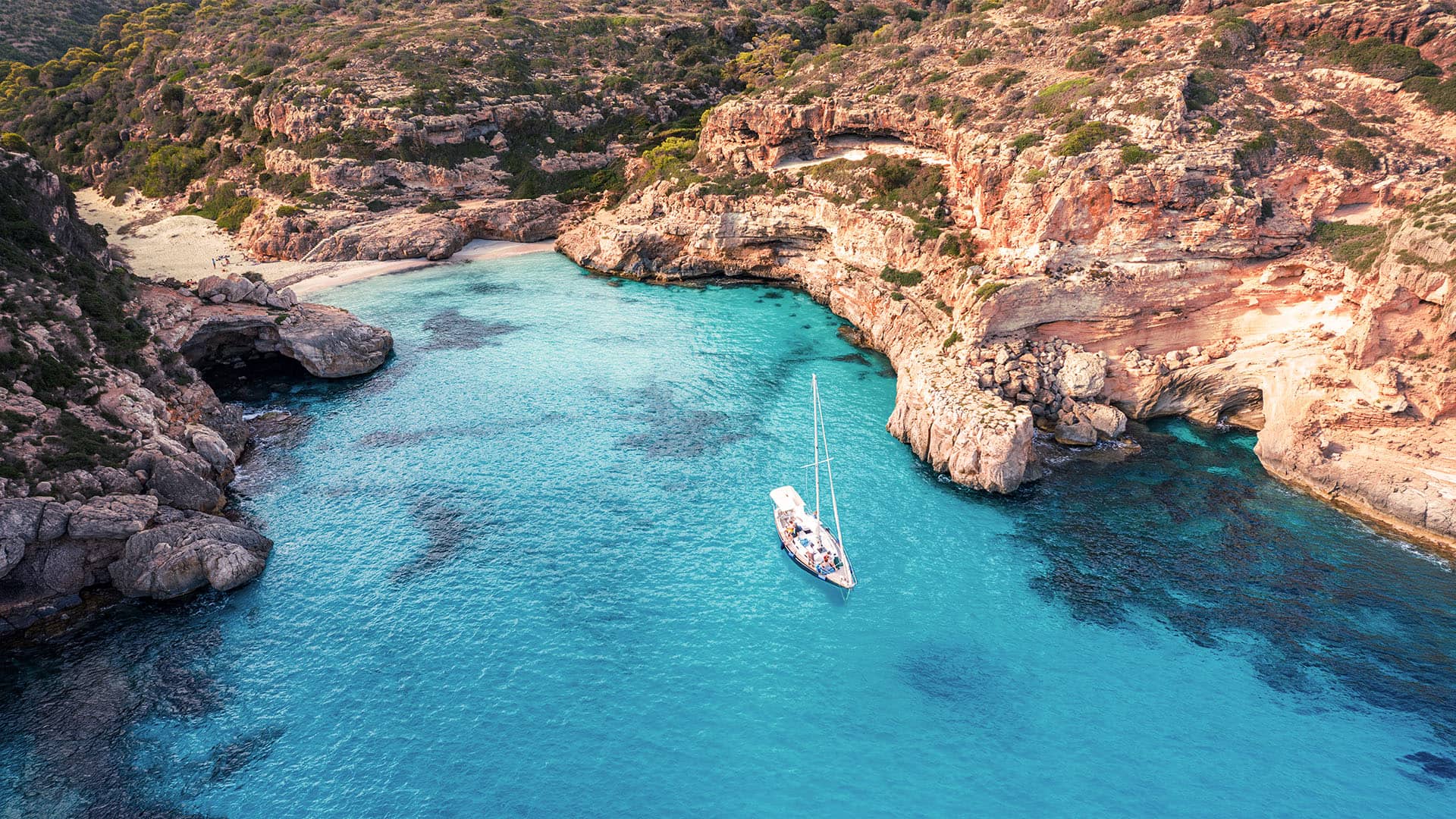
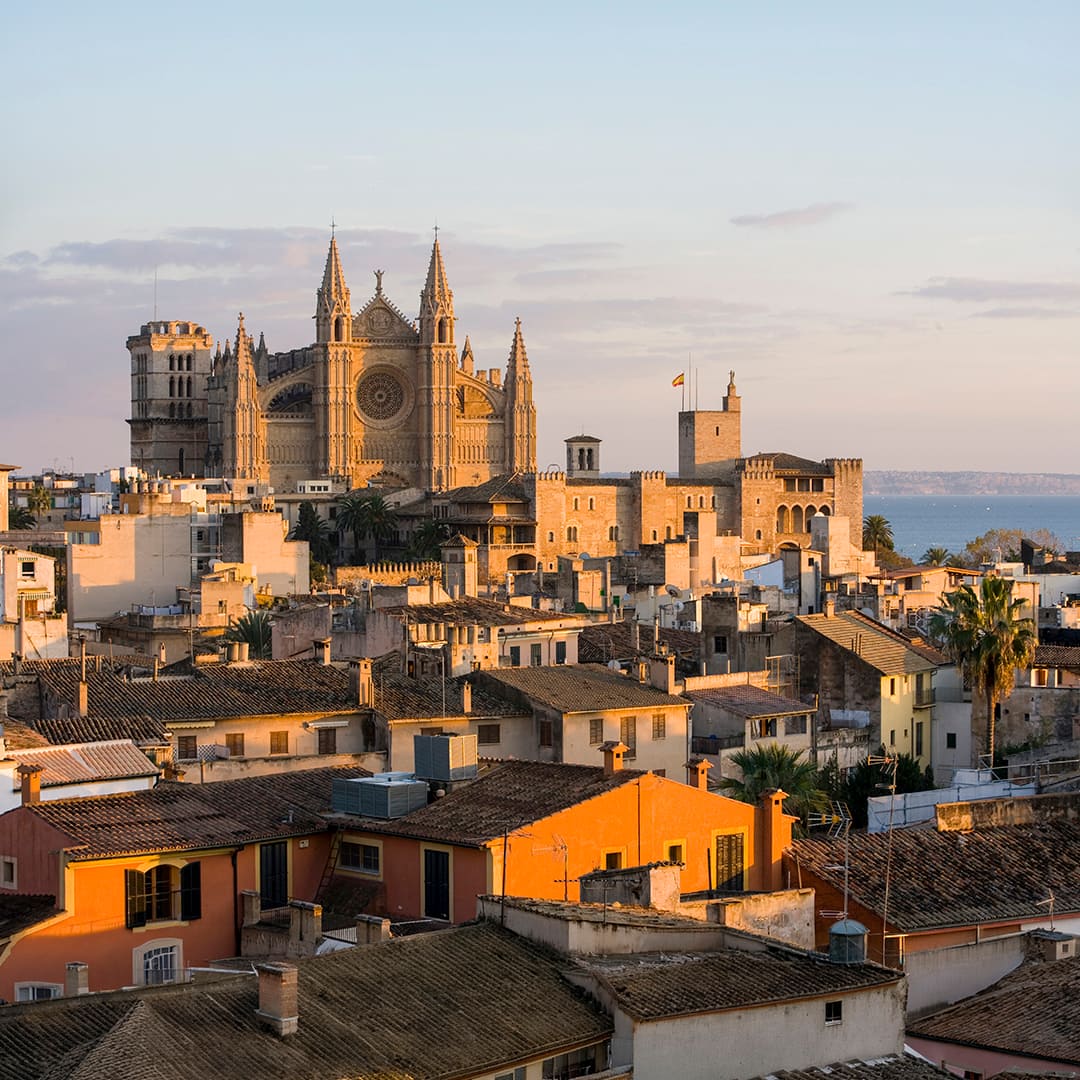
Located off Spain’s east coast, Mallorca offers so many iconic places to visit, making it much more than just a weekend getaway. While it’s good for a quick escape, there’s also a world to explore beyond the city walls. Mallorca delivers a variety of highlights that’s hard to beat.
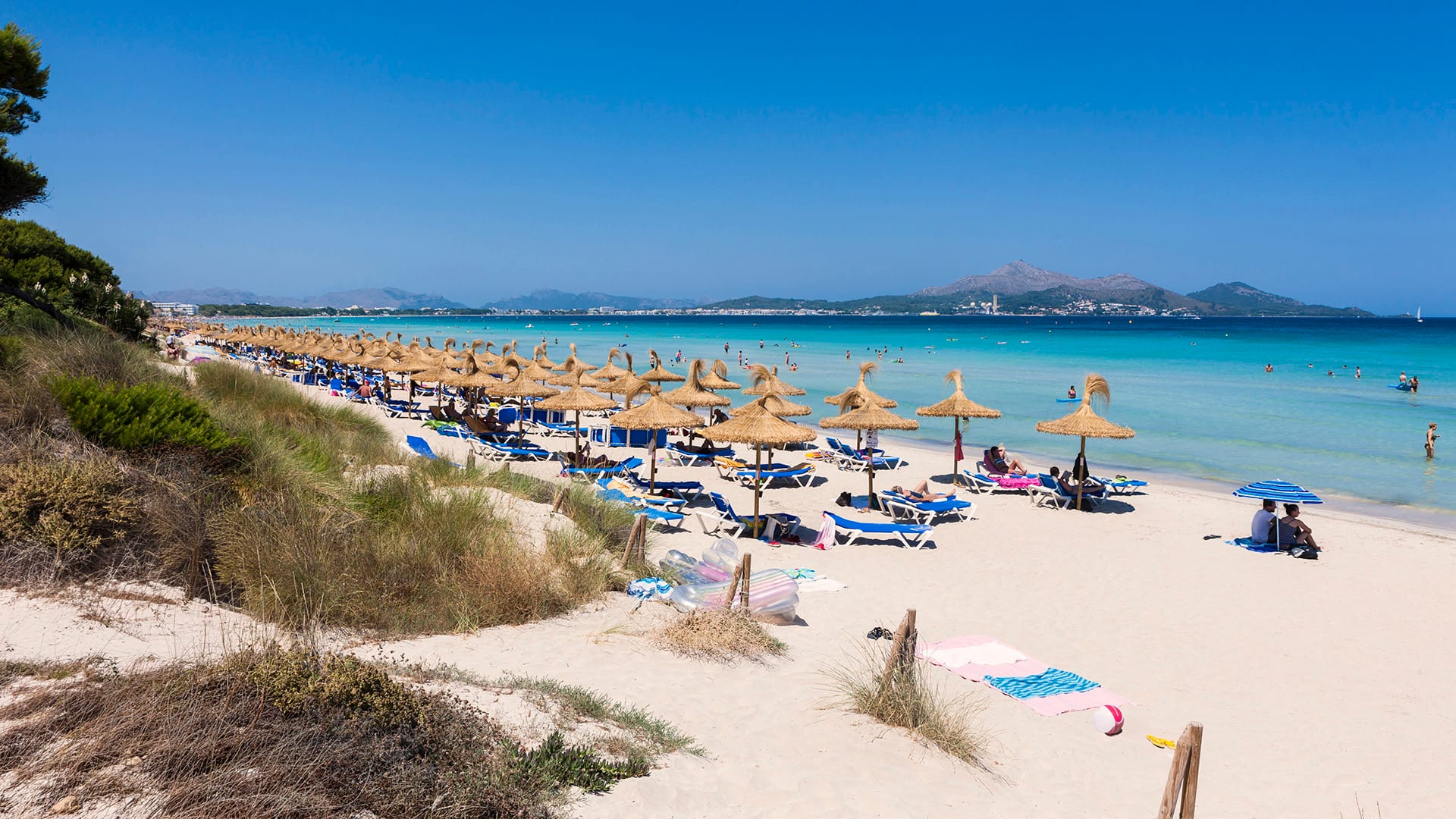
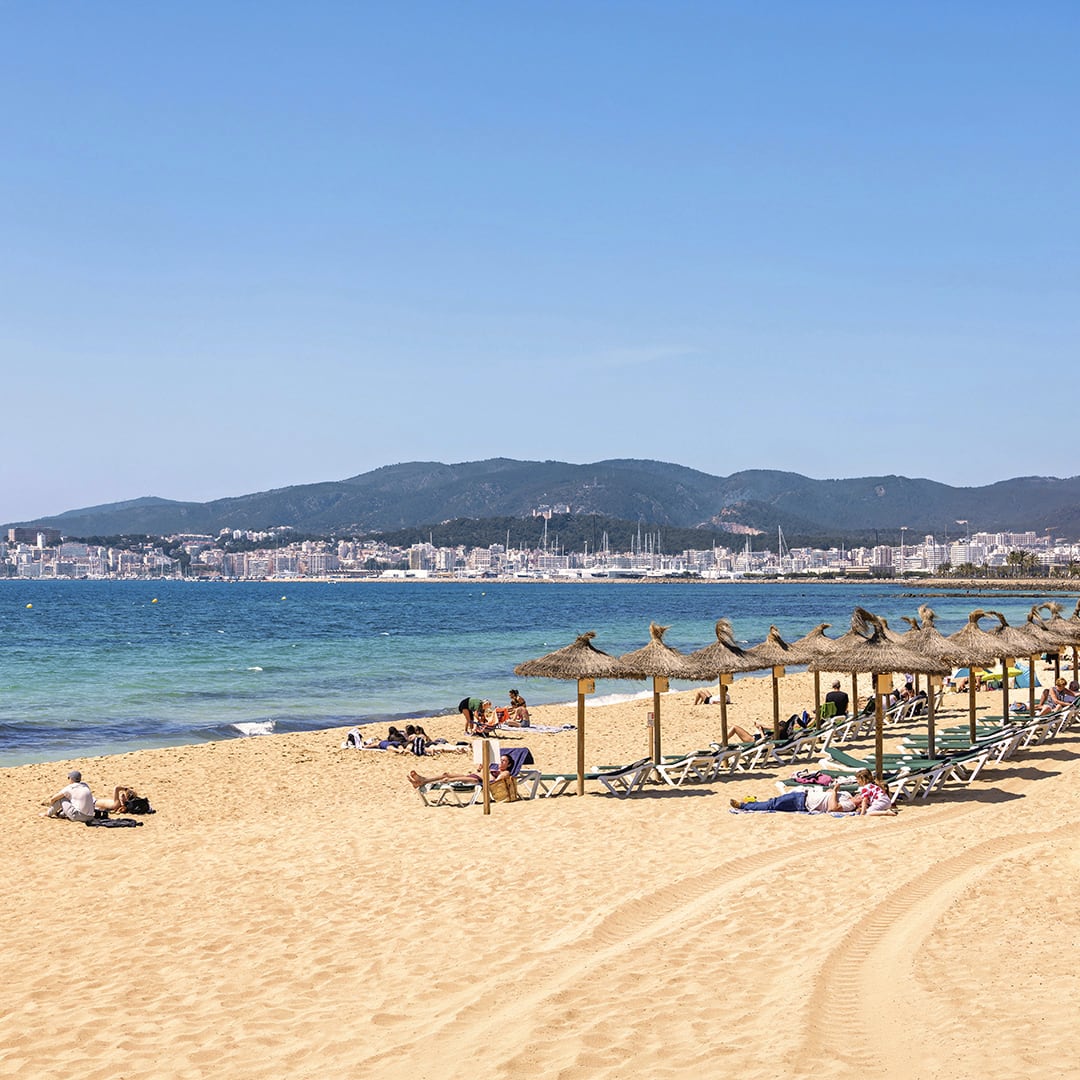
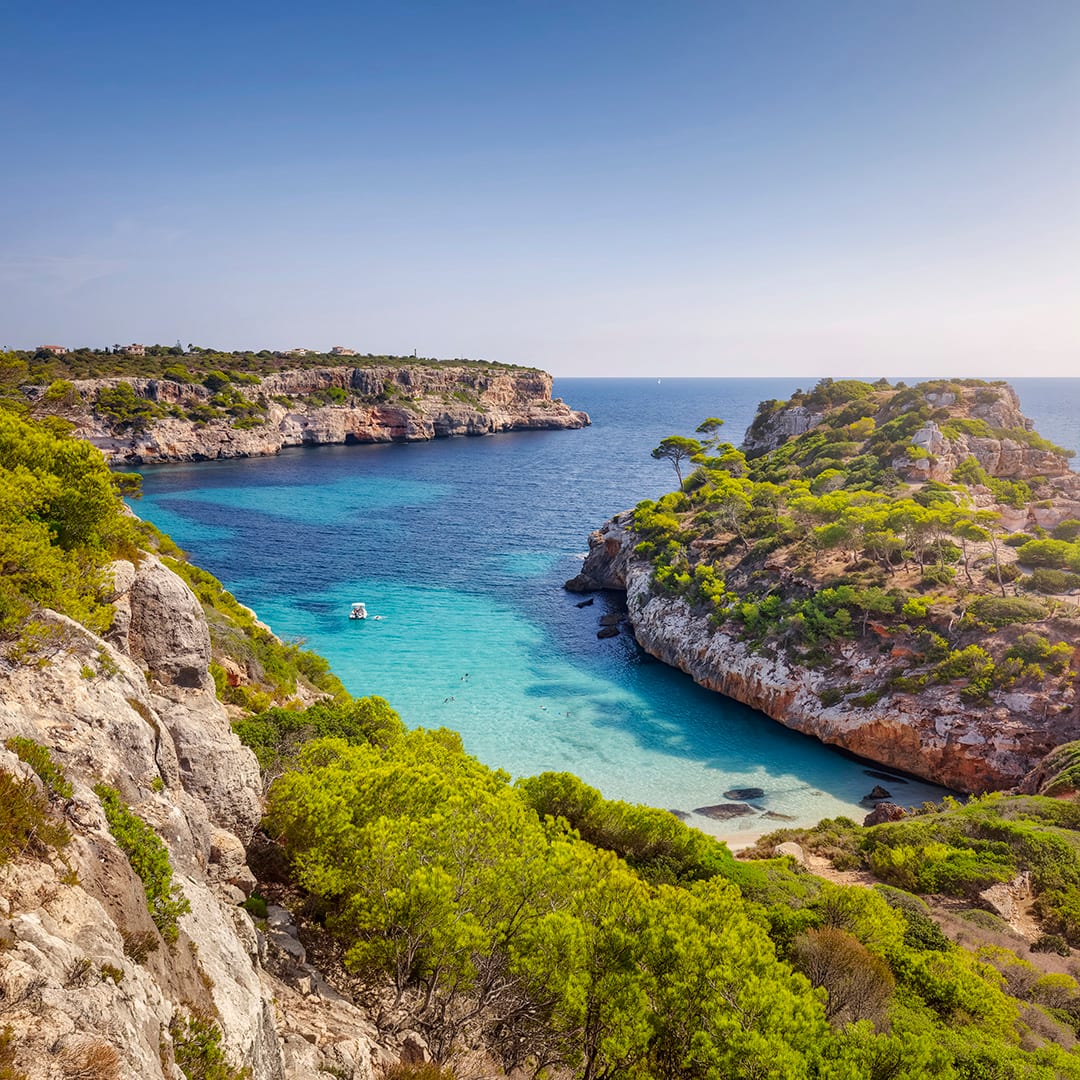
- Beach & island getaways
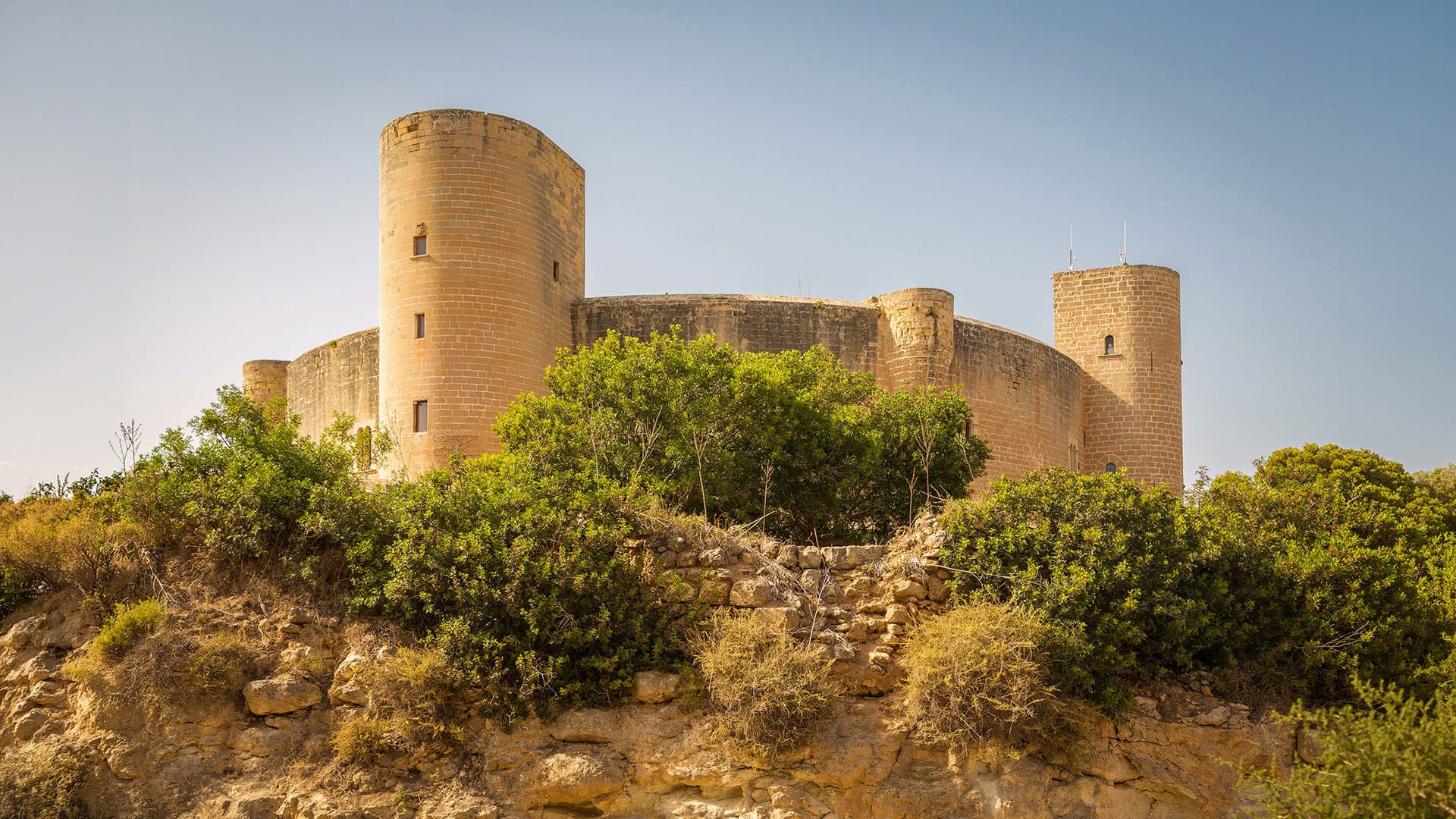
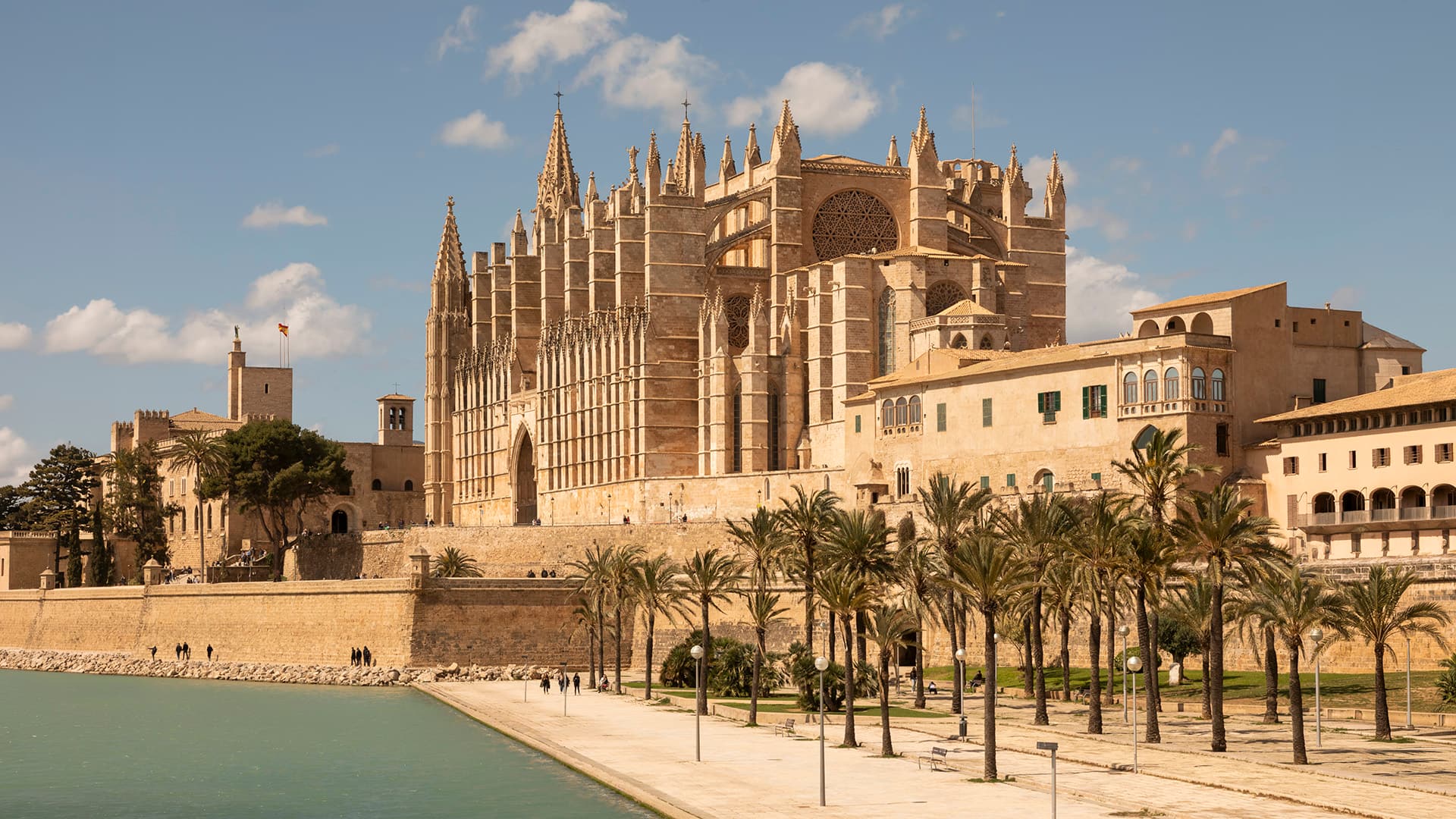
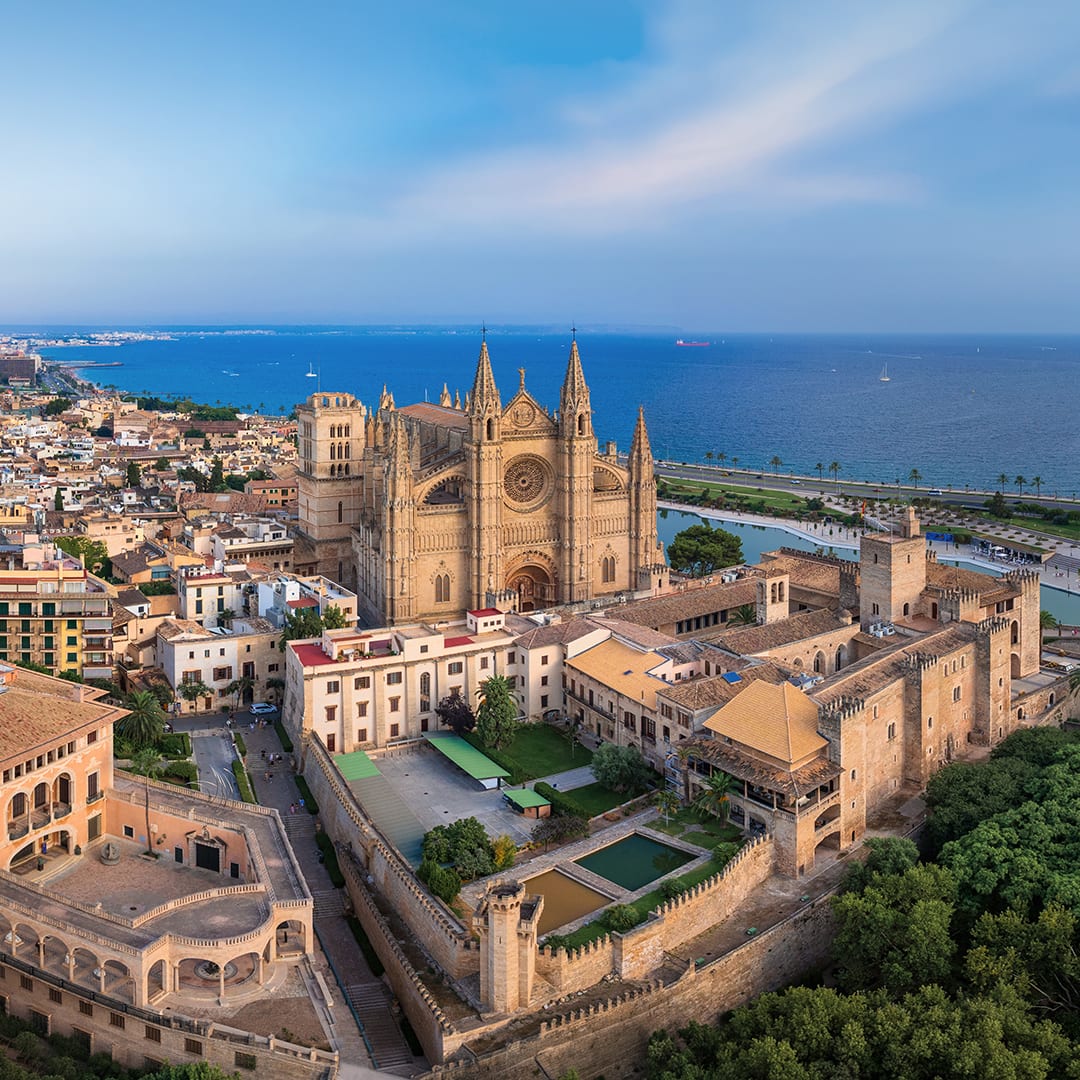
- Architecture & ancient designs
- Foodie adventures
Mallorca has four seasons. Summers between June and August are hot and sunny, with warm Mediterranean waters perfect for swimming. The island stays mild during the short winter from December to February. For pleasant walks without the intense heat, the best time to visit Mallorca is during spring from March to May, or autumn between September and November.
Palma de Mallorca Airport, also known as Son Sant Joan Airport, is your main gateway to Mallorca and the Balearic Islands. Located just eight kilometres east of the city, it offers a wide variety of shops and dining options. We operate three weekly flights seasonally to Palma de Mallorca, making these Mediterranean shores more accessible than ever. The IATA code for Palma de Mallorca Airport is PMI.
Make sure you check the official entry rules before booking your flights to Spain. If you need a Schengen visa, we recommend applying as early as possible. Sorting your paperwork ahead of time helps you have a smooth trip.
- Schengen tourist visa validity: With a Schengen tourist visa, you can stay in Spain for up to 90 days within a 180-day window.
- General visa requirements: The general documents needed for a Schengen visa include a valid passport, a recent photo, a completed application form, flight and hotel bookings, travel insurance, proof of funds, and a No Objection Certificate from your employer or an invitation letter.
Travelling around Mallorca is easy because there are so many ways to explore the island. You can jump on a bus, take a trip on a vintage train, or rent your own car to reach your next stop. With so many options to get around, you'll find it simple to see every part of Mallorca.
Car rentals: Rent a car from the airport to explore hidden coves and quiet mountain villages at your own pace. Grab an international driving permit before you arrive so you're ready to get behind the wheel.
Public buses: Travel across the island or around Palma on frequent and inexpensive bus routes. Reach the airport, ferry terminals, and sun-drenched beaches easily without spending a fortune.
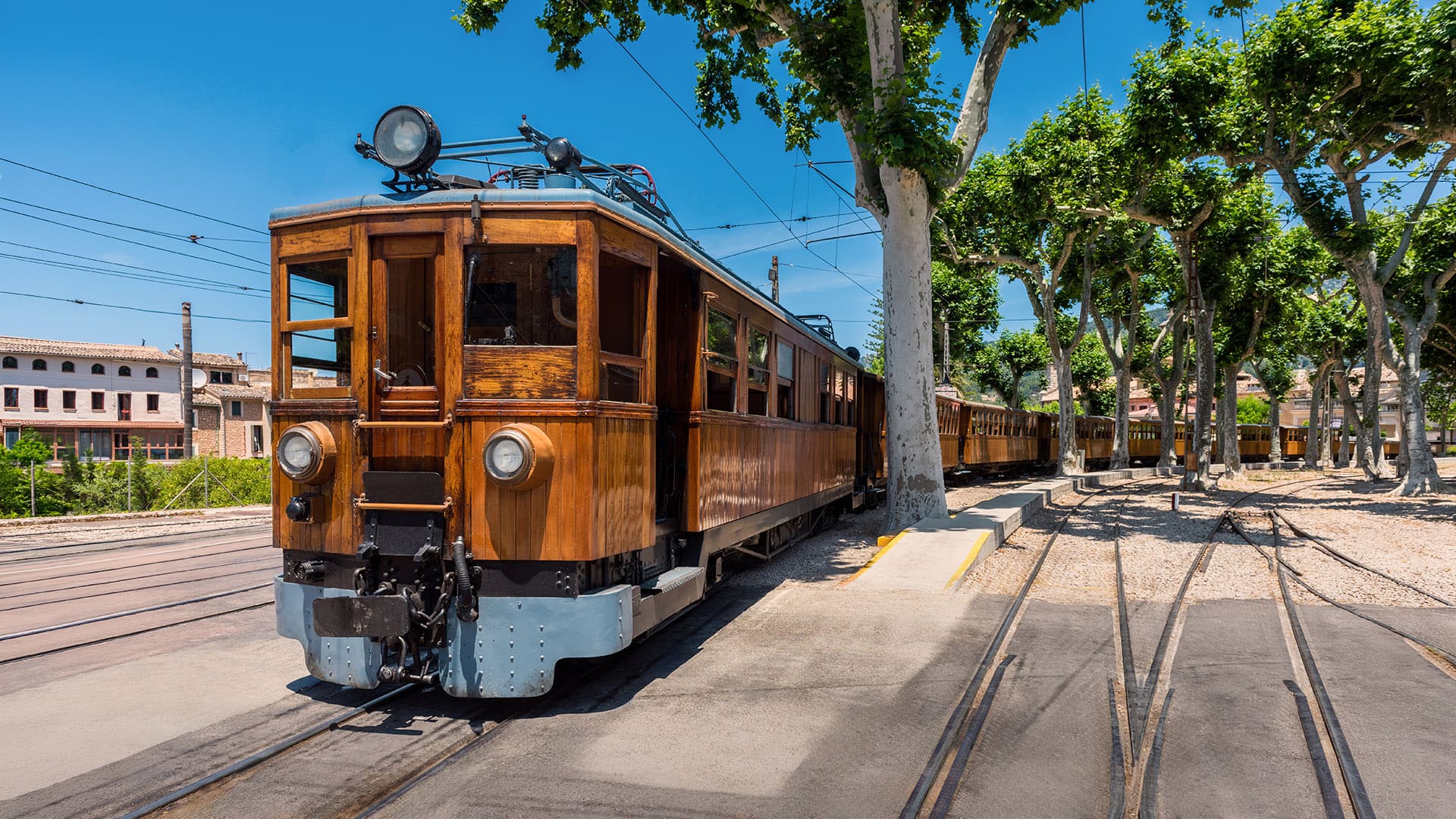
Vintage trains and trams: If you’re going to Sóller, you can ride the historic wooden train through mountain tunnels and hop on a vintage tram. It’s yet another tourist experience to have in Mallorca.
Taxis: Grab a metered cab in Palma or at the major resorts to travel quickly at any time of day. Pick this reliable option for short trips or getting back to your hotel after a late dinner.
Bicycles and scooters: Cycle around on a rental bike or e-bike to feel the Mediterranean breeze. Rent a vintage Vespa to explore historic streets and nearby shorelines with ease.
Metro: Use the metro to travel from the city centre toward the inland suburbs. While it is fast and efficient, most major tourist landmarks are better reached by foot or bus.
Frequently asked questions
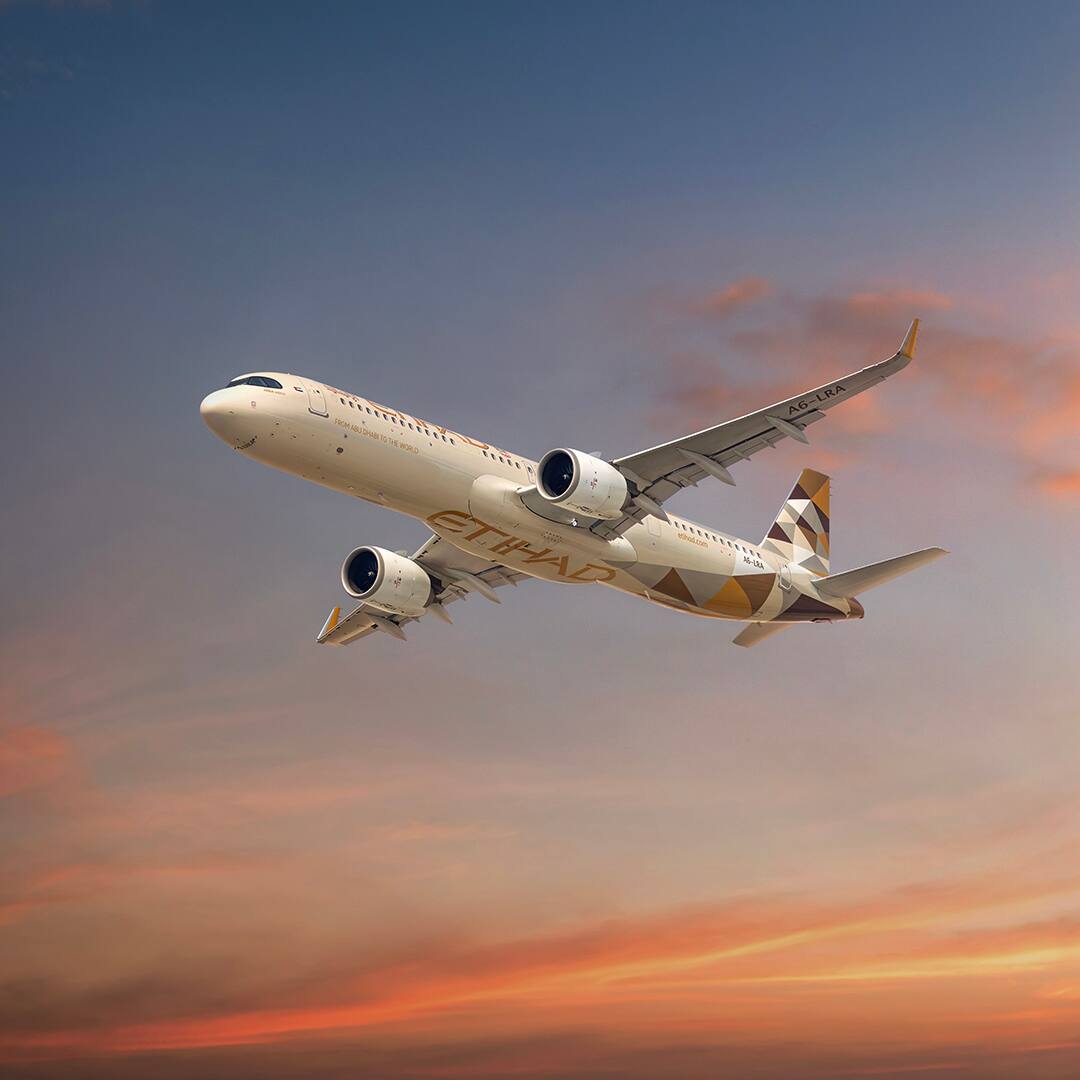
We operate seasonal flights to Palma de Mallorca, one of our newest destinations, three times weekly, through our new Airbus A321LR. You’ll arrive in the morning, giving you plenty of time to rest or explore.
The best time to visit Mallorca is during spring, from March to May, or autumn, between September and November. You’ll have pleasant weather for walks without the intense summer heat.
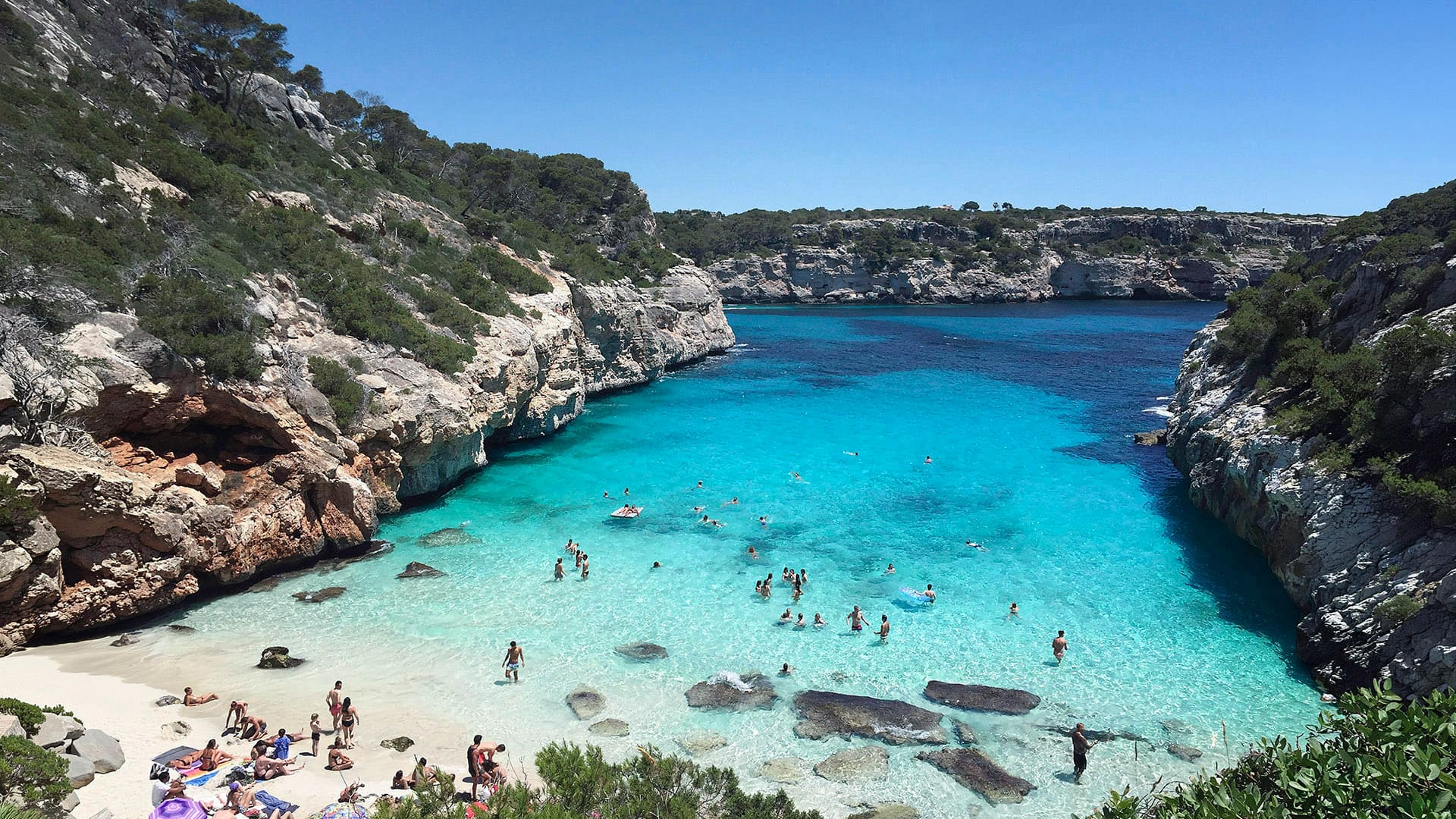
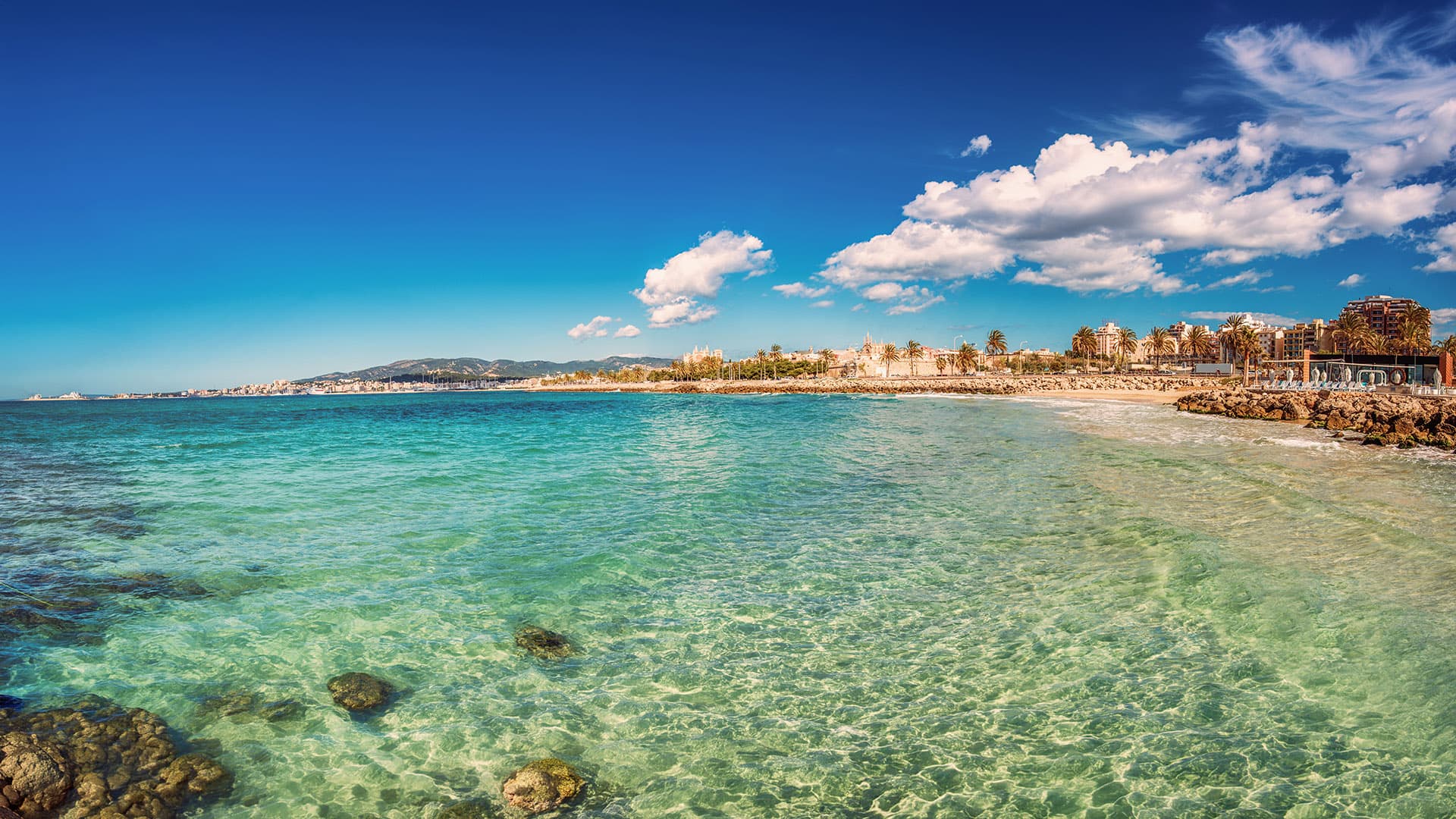
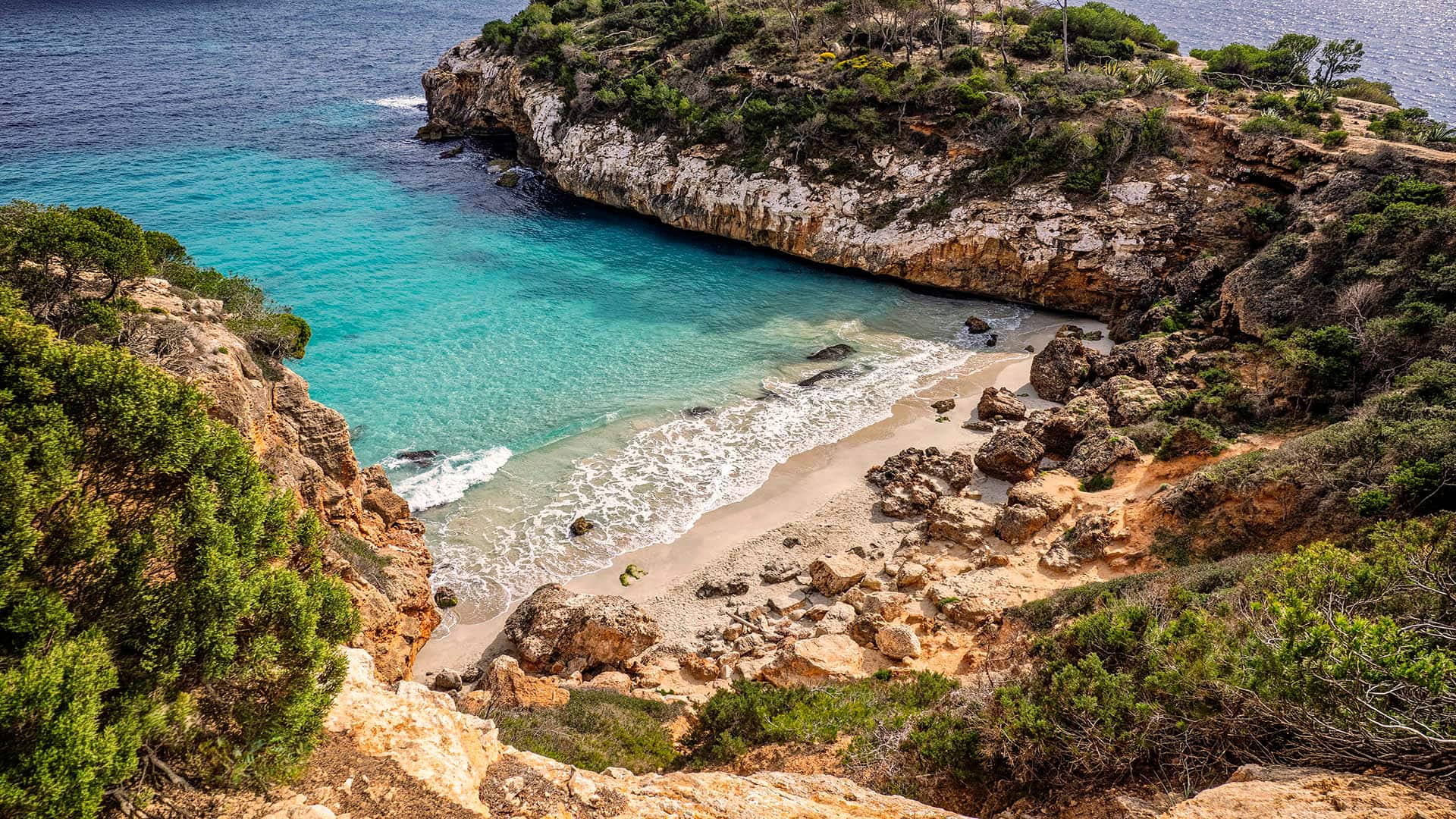
You can visit Playa de Palma for a lively atmosphere, Caló des Moro for picture-perfect views, and Playa de Muro if you’re with your family.