










- Currency: The Swedish Krona (SEK) serves as the official national currency. The destination runs primarily on digital transactions, though cash dispensers and currency kiosks operate across central districts.
- Language: Swedish remains the national language, spoken with a friendly regional cadence called göteborgska. English is equally understood and spoken fluently by residents throughout the area.
Discover Gothenburg
Sweden’s West Coast gem reborn
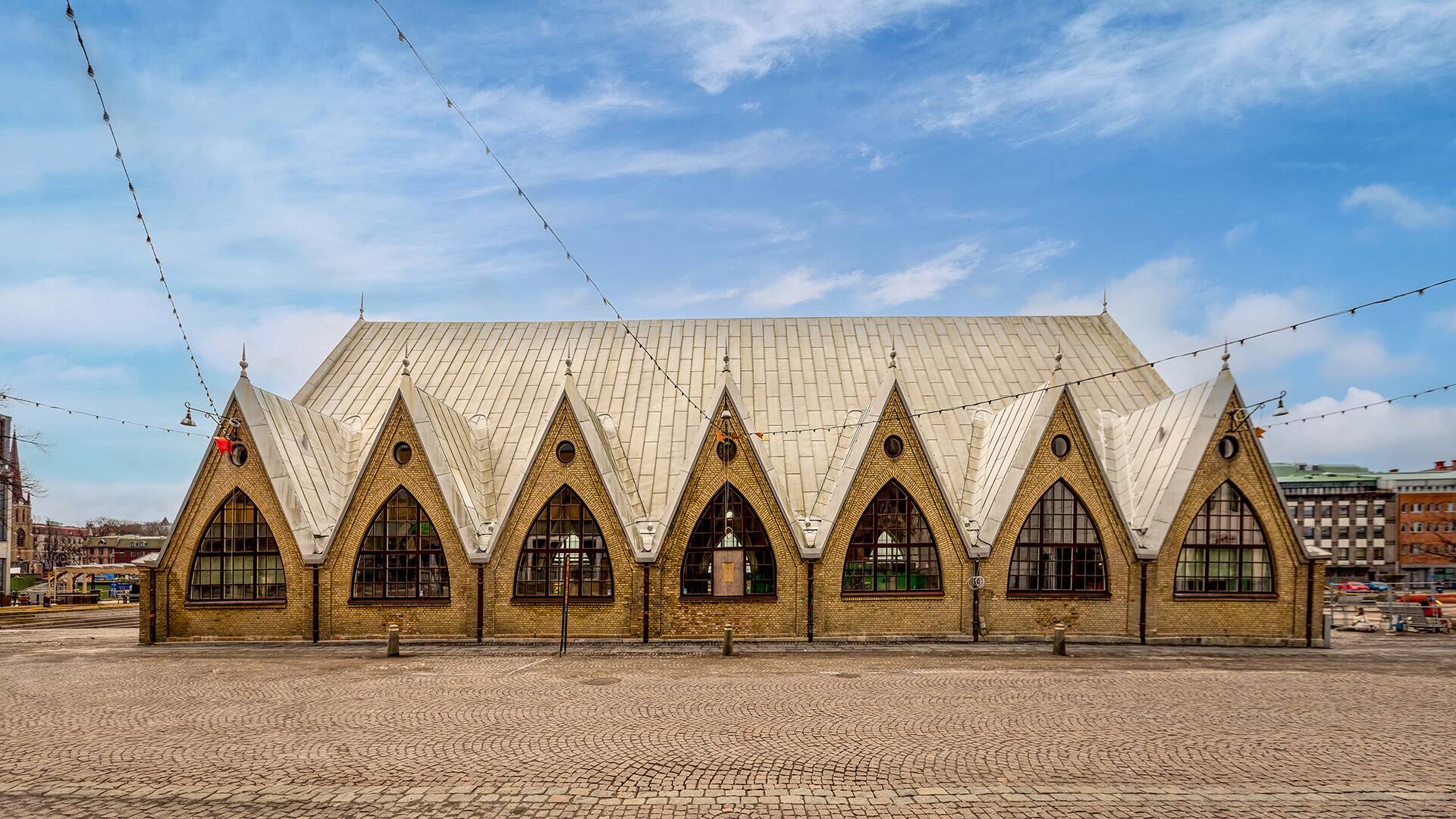
Highlights of Gothenburg
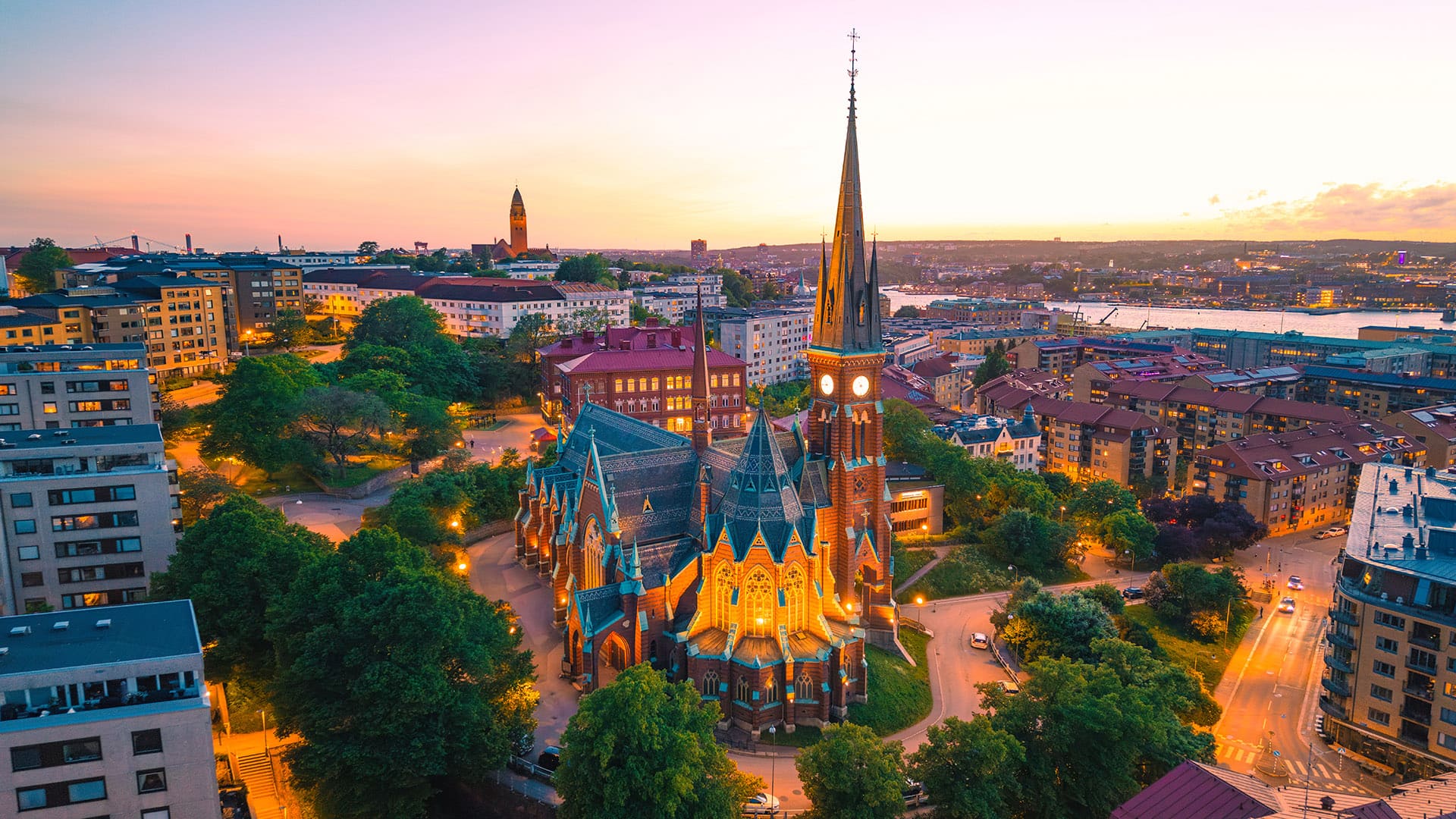
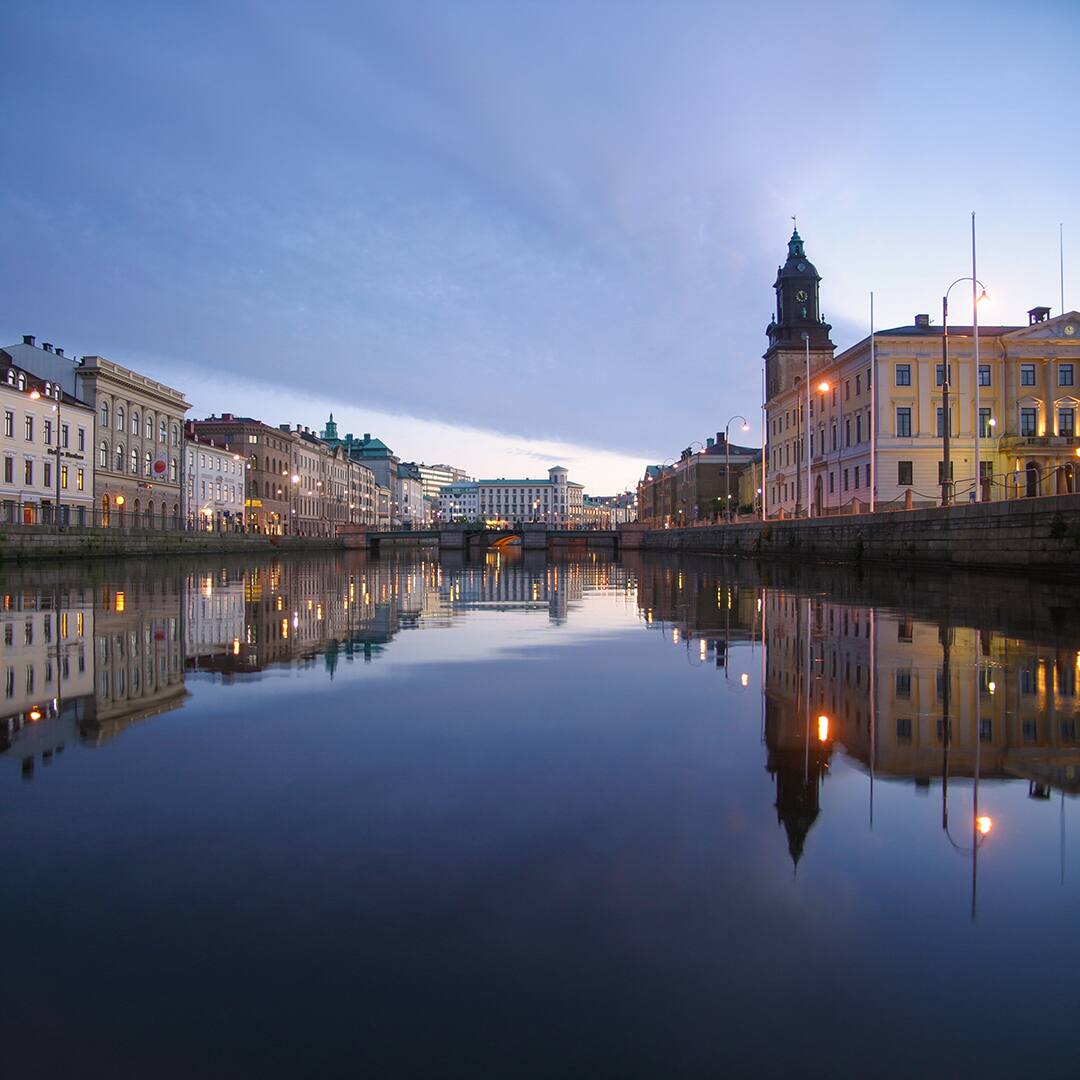
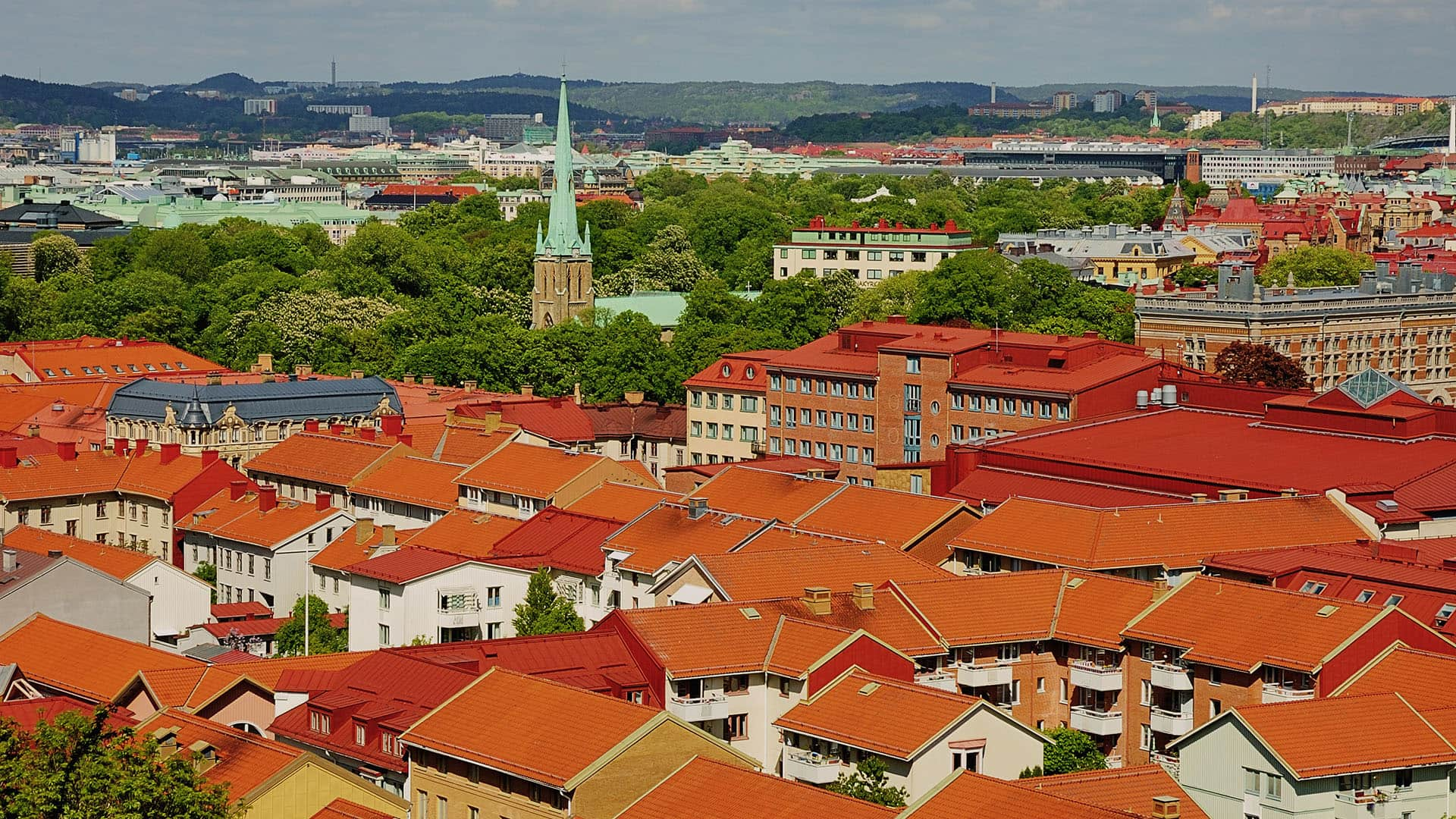
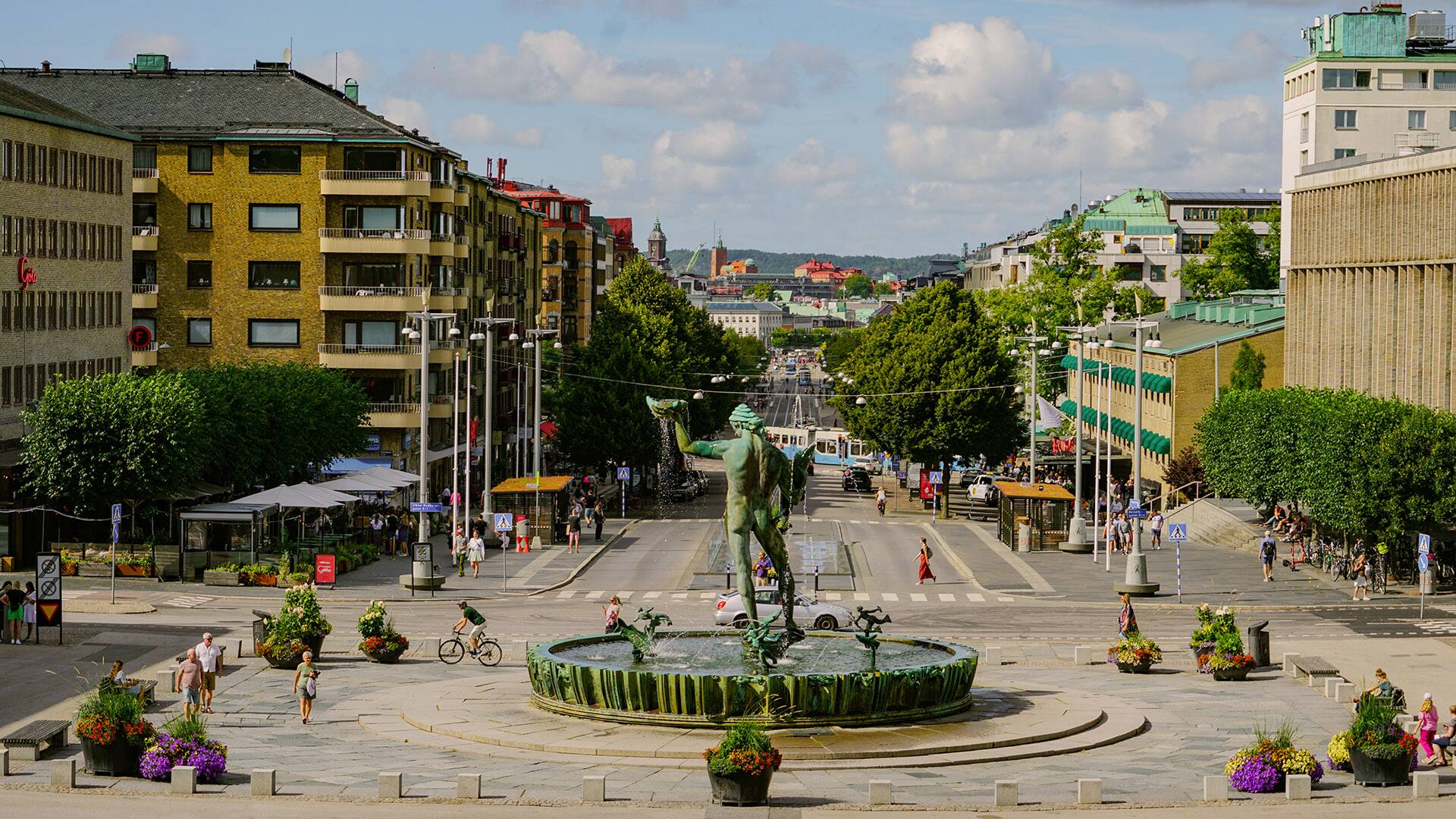
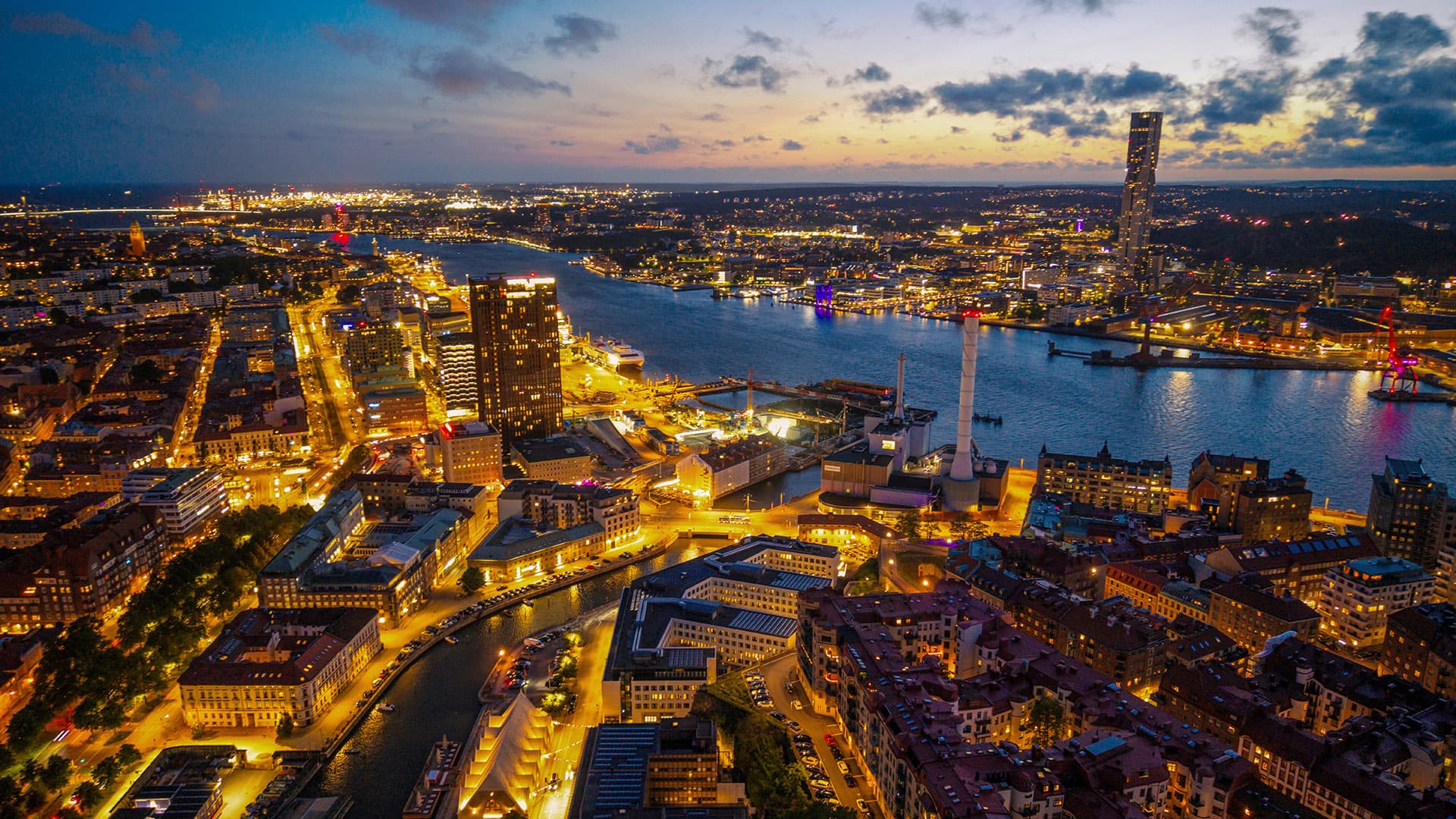
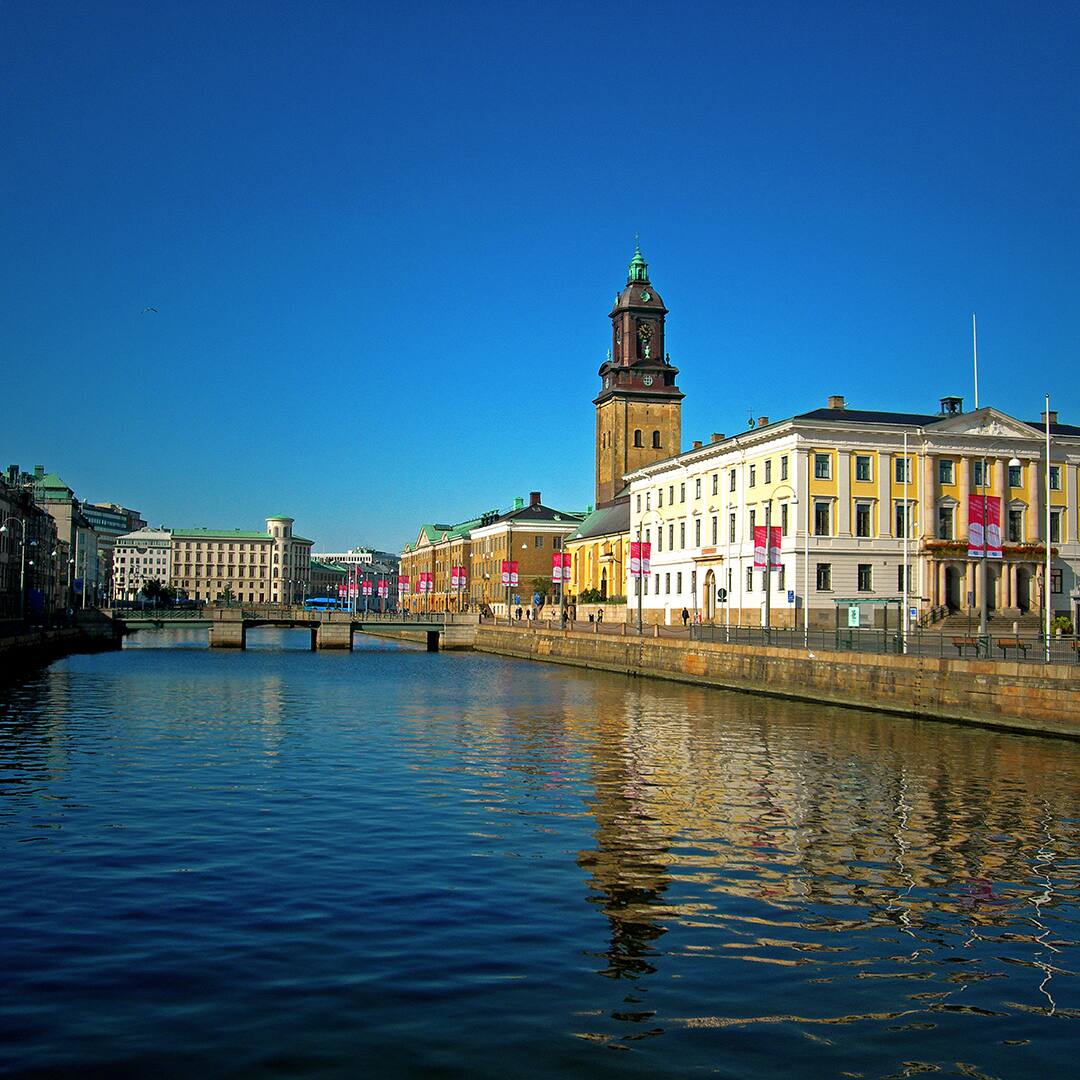
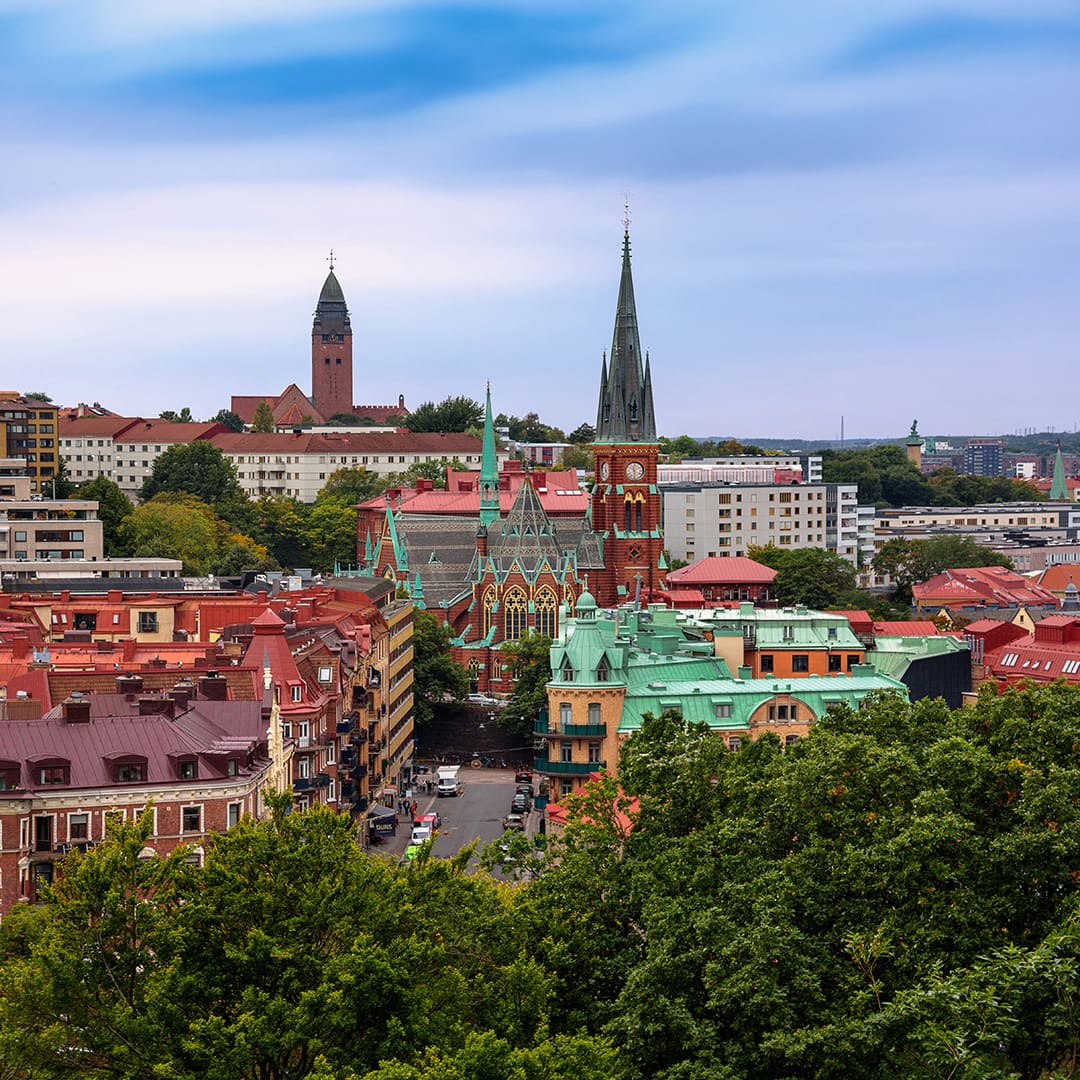
Located along the beautifully scenic western shore of Sweden, Gothenburg is a city that's proud, incredibly creative, and completely itself. It balances a deep maritime history with modern touches of luxury for every guest. Uncover the best things to do and top attractions across Gothenburg. Dive right into the vibrant local culture and experience every adventure across this incredible destination.
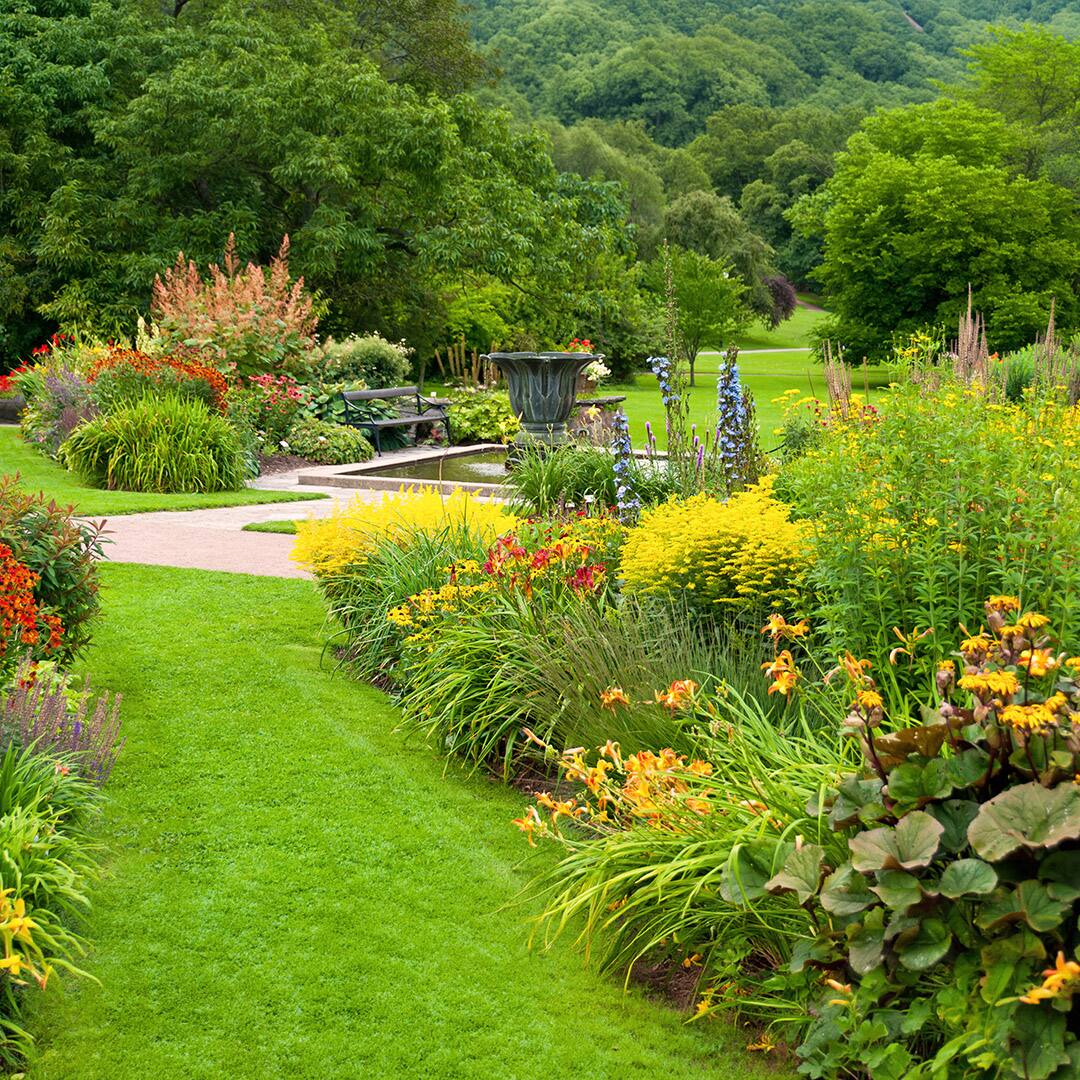
- Arts & heritage
- Food & culinary
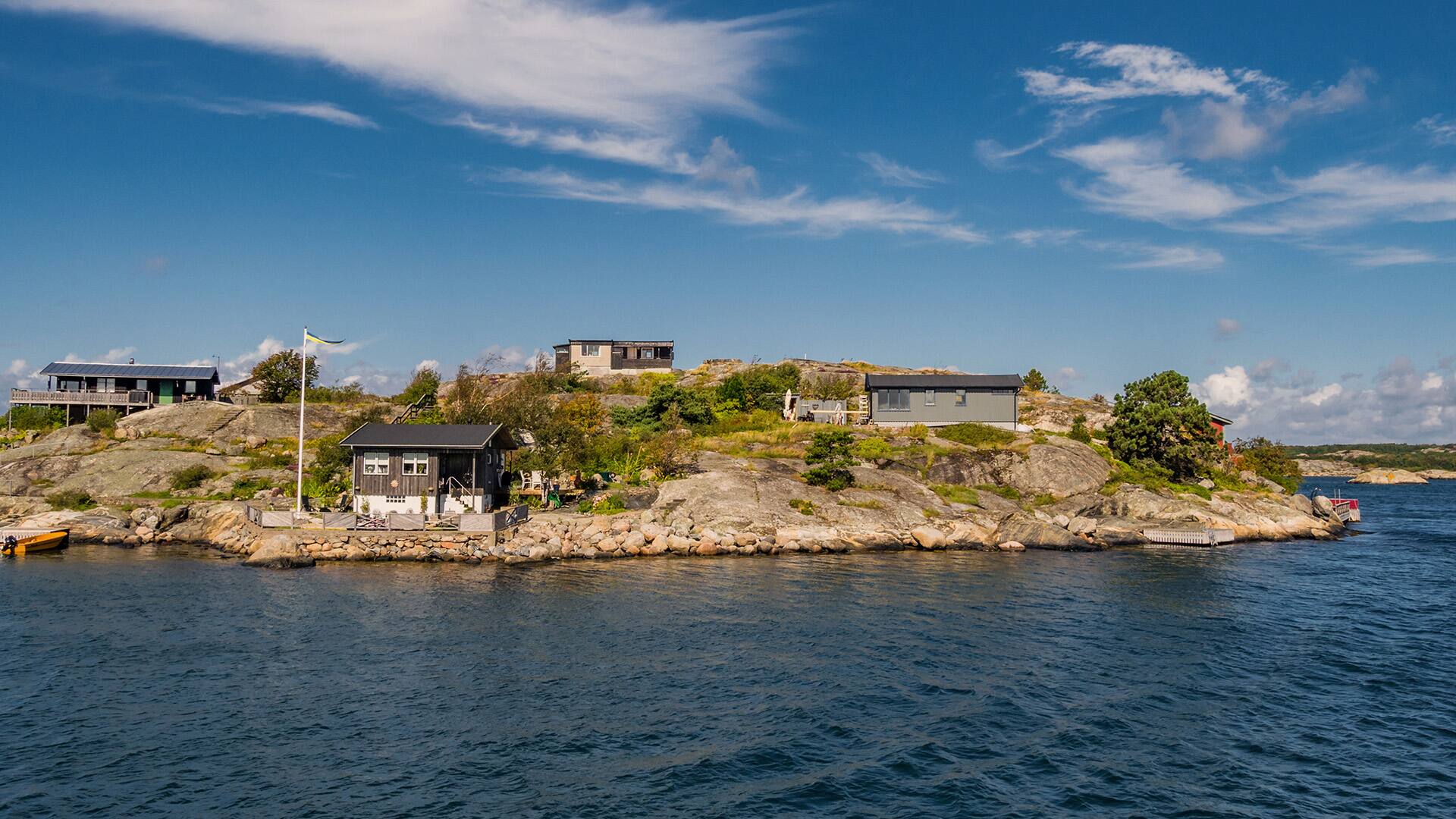
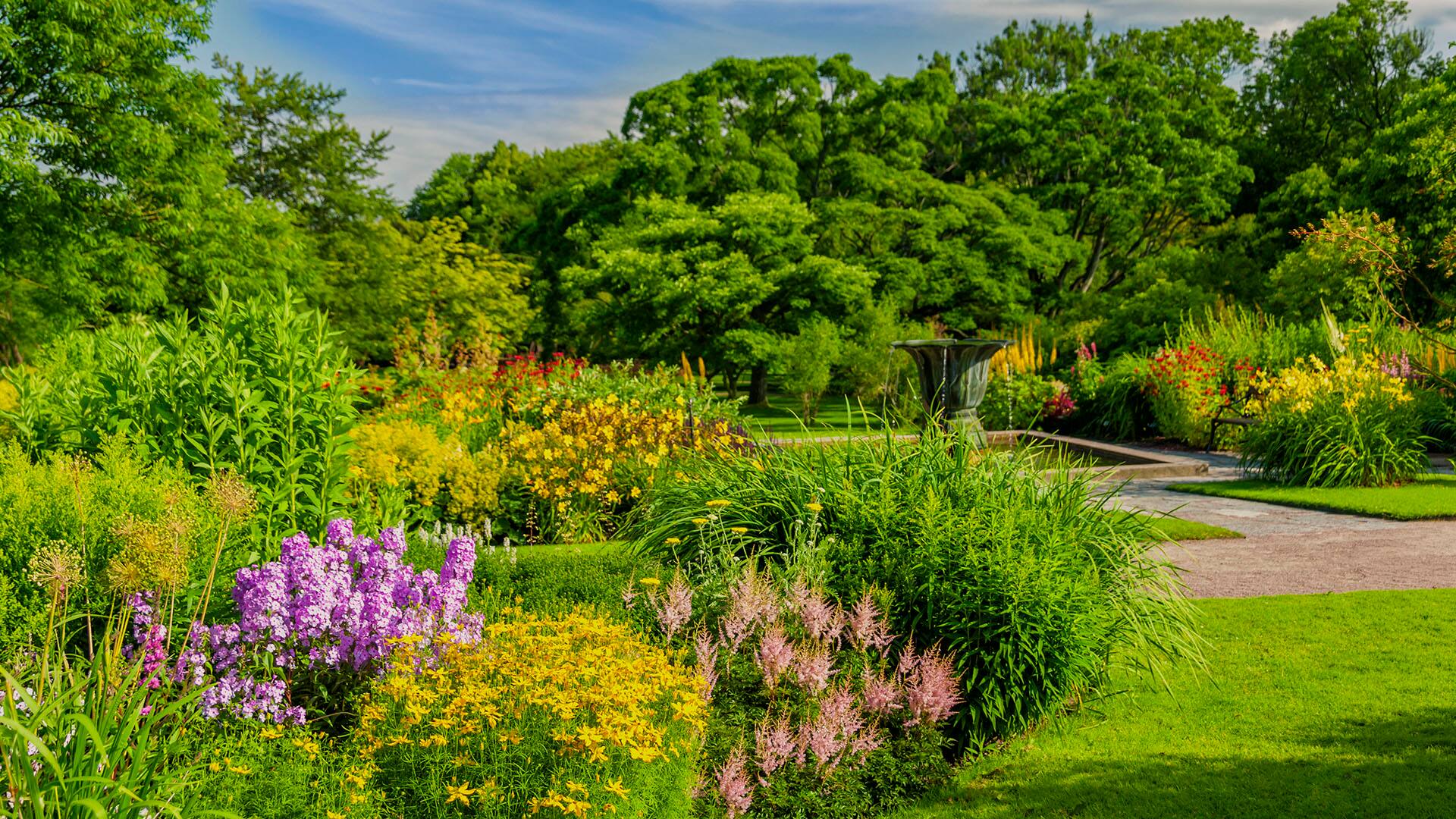
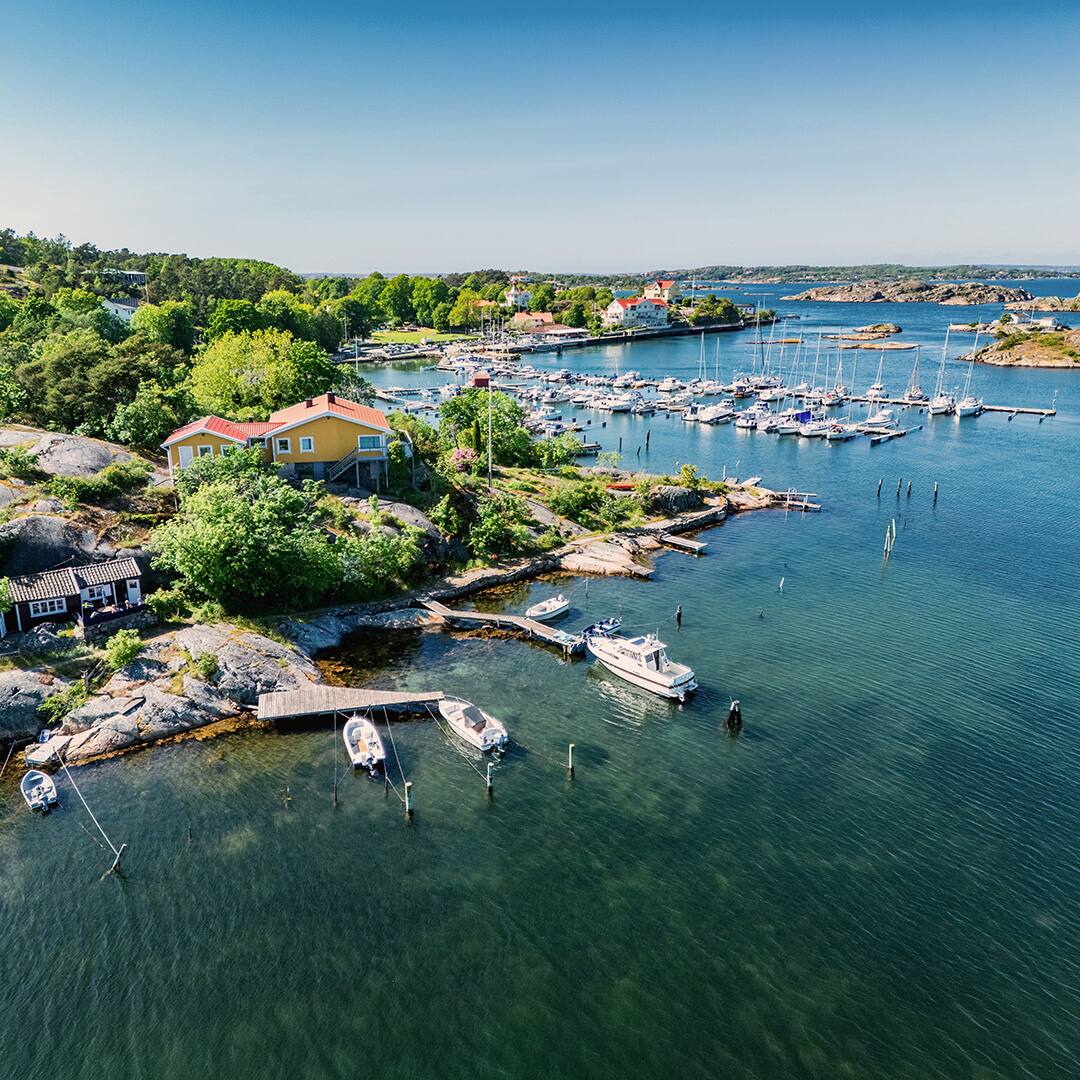
- Outdoors & islands
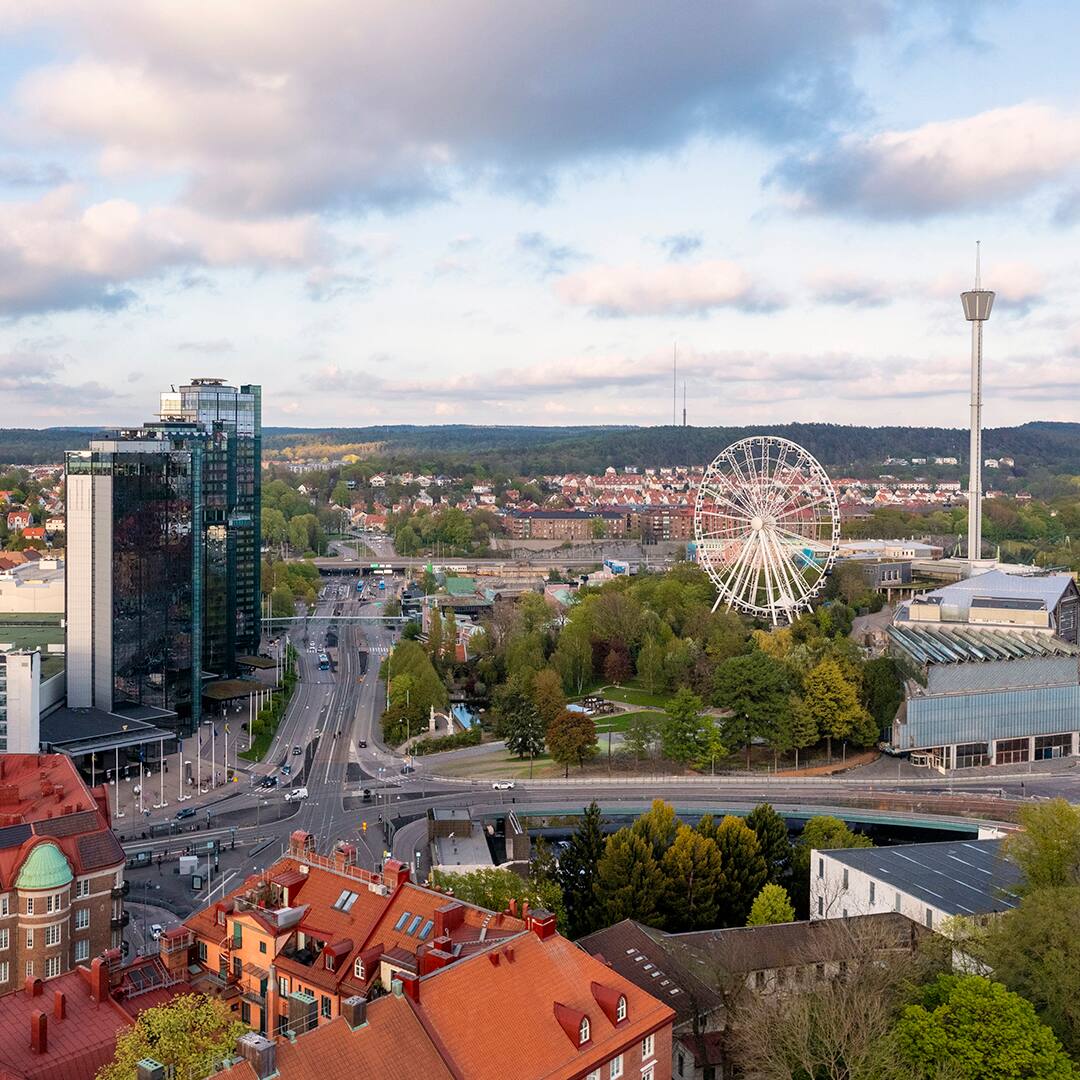
- Family & entertainment
Day trips from Gothenburg
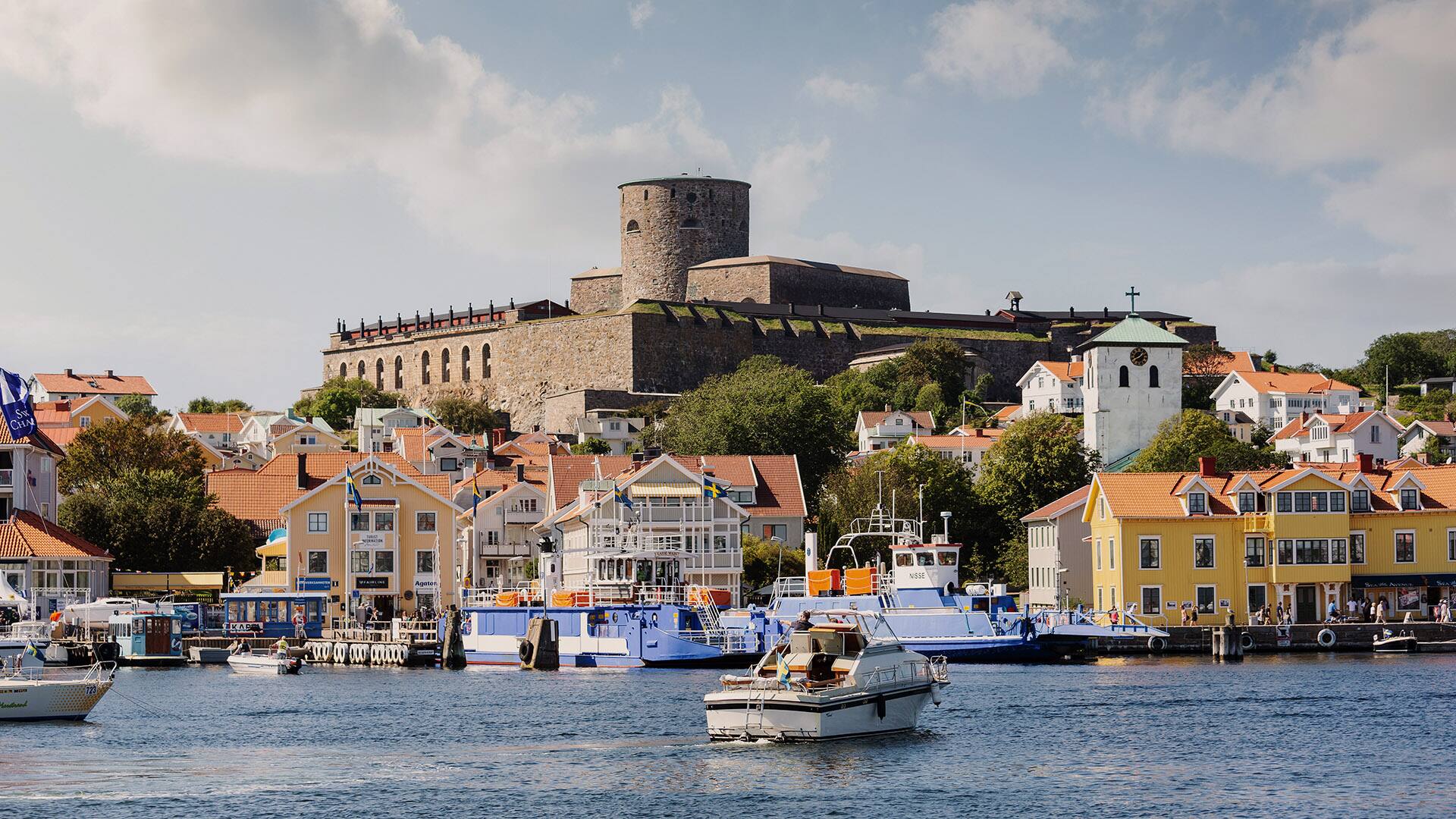
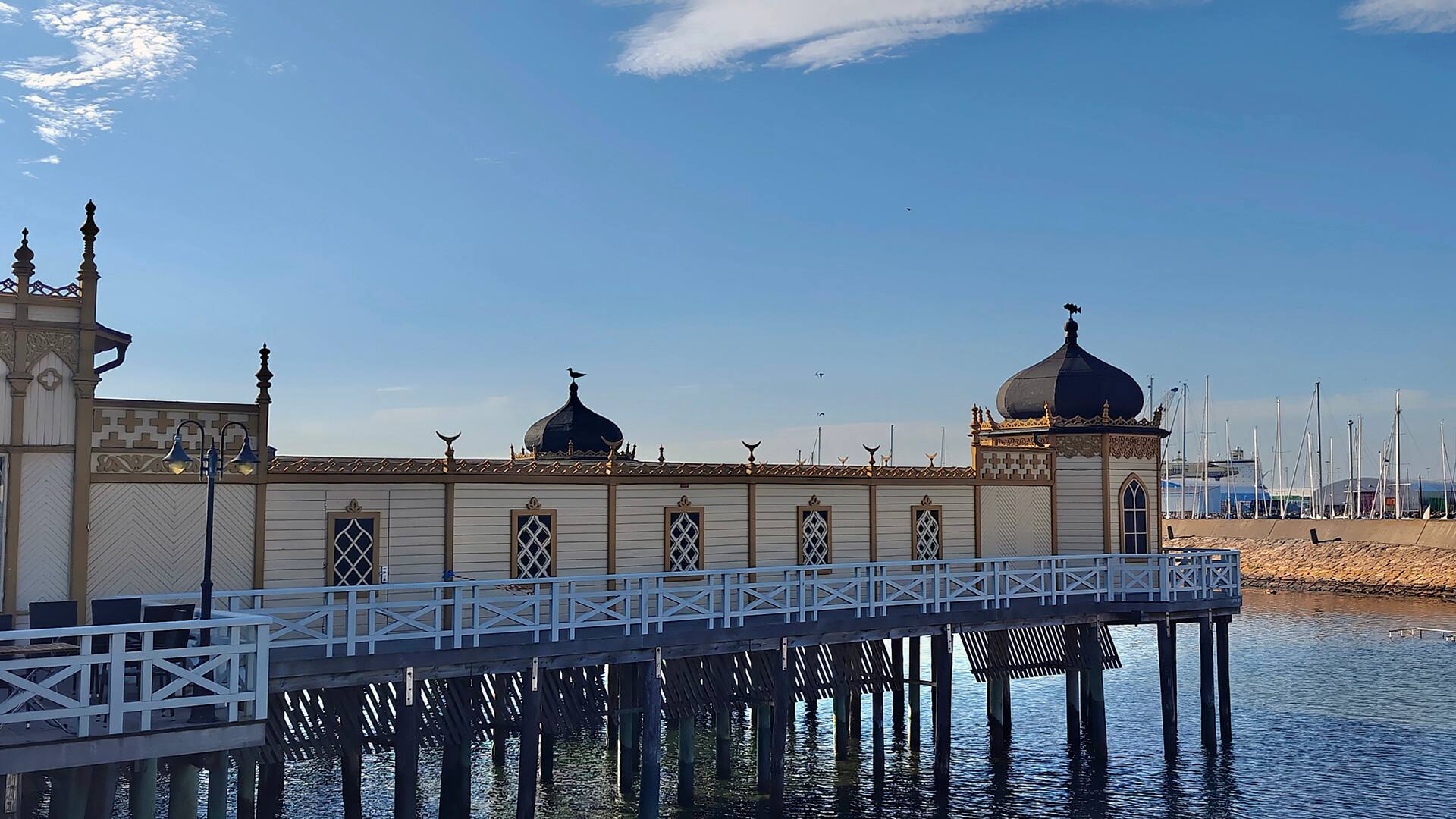
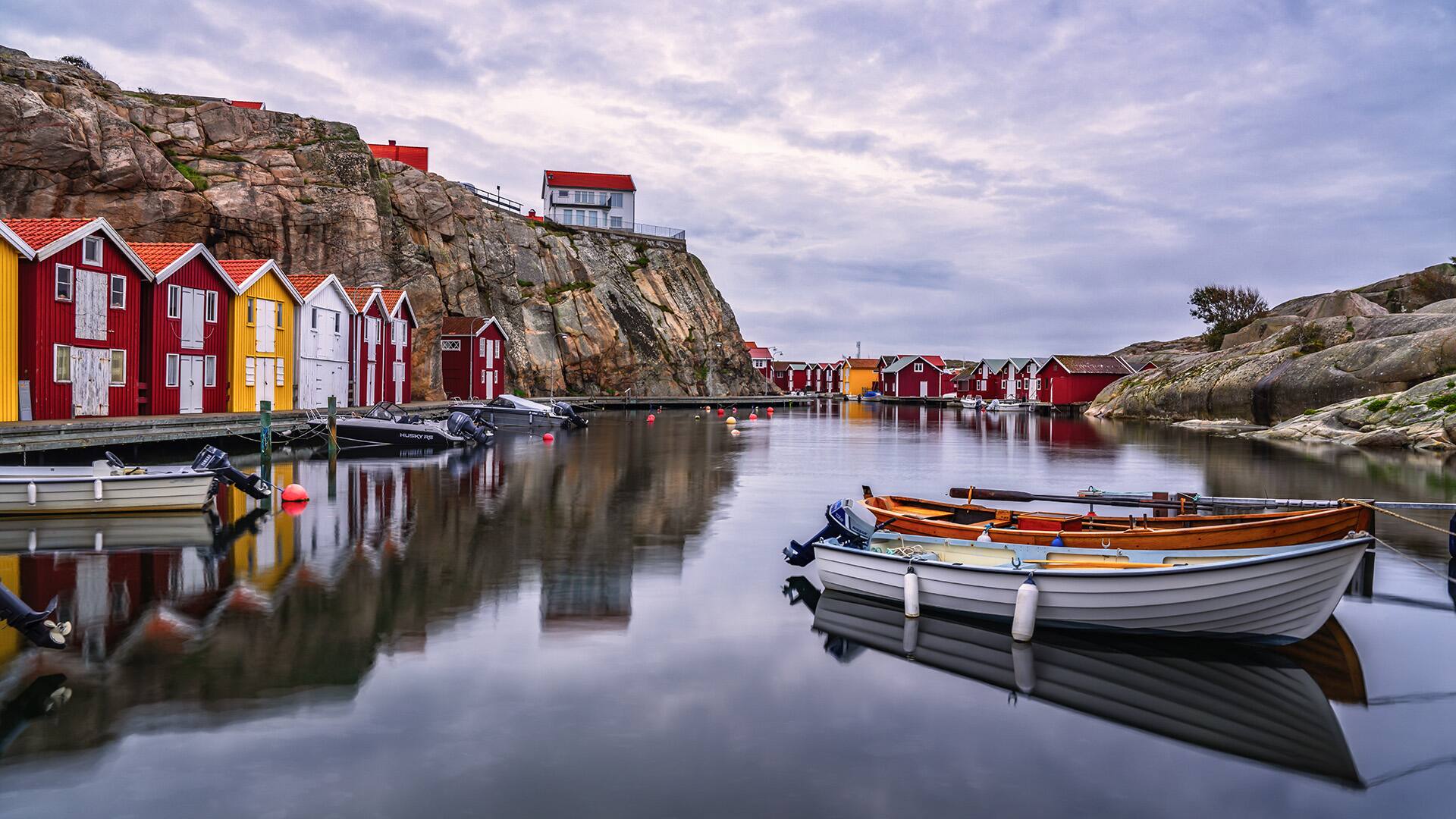
Venture beyond the bustling centre on memorable day trips from Gothenburg to explore historic coastal fortresses and vibrant seaside fishing havens. These short excursions beautifully showcase the dramatic, rugged scenery of the western coast.
- Marstrand
- Varberg town
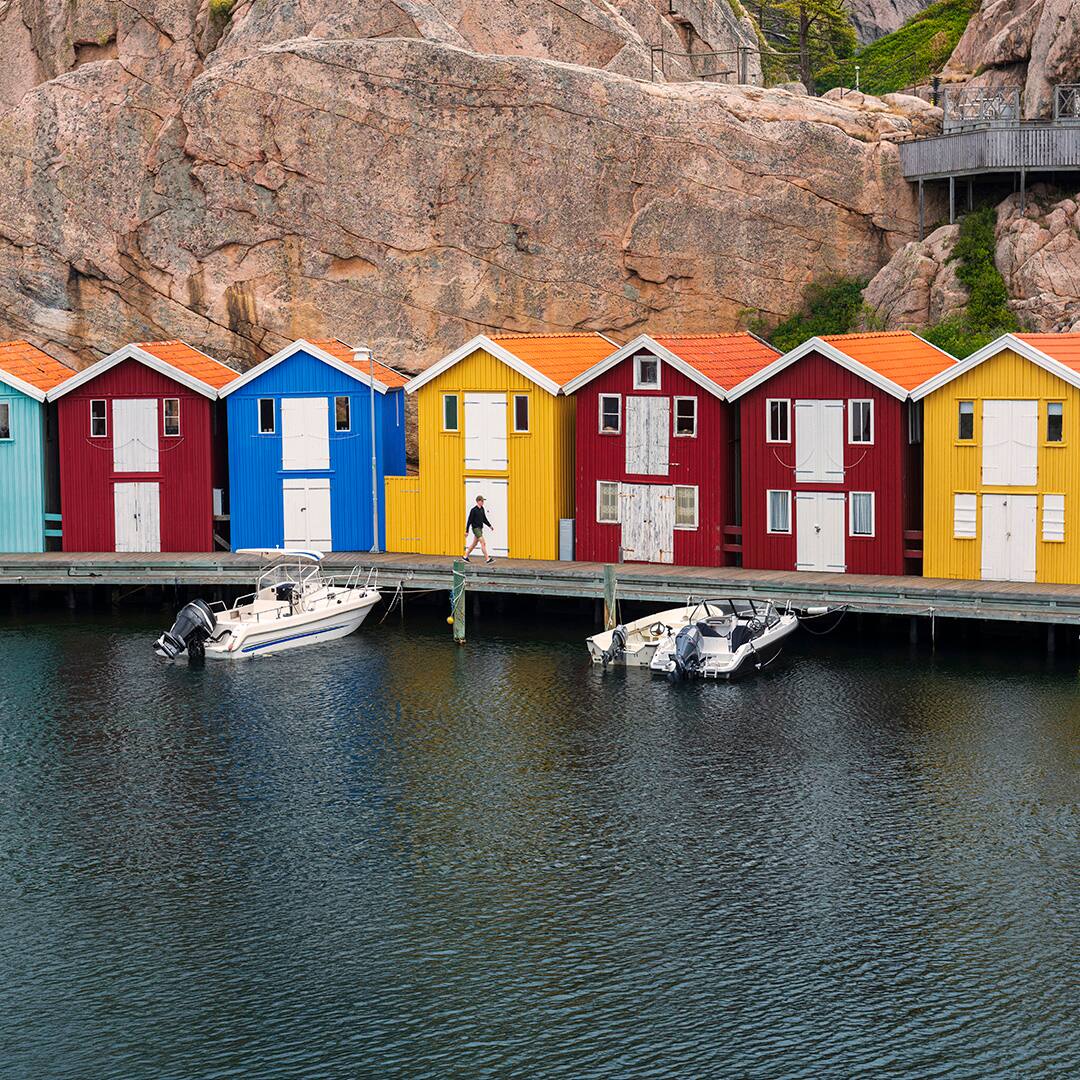
- Smögen village
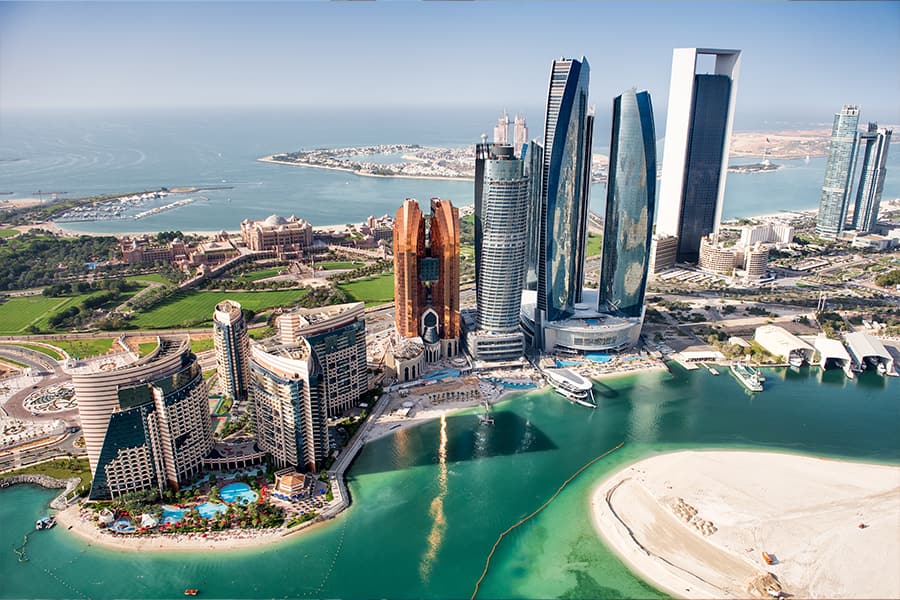
What to see and do in Abu Dhabi
Plan your next big adventure
- Sport and adventure
- Architecture
- Art and culture
- Luxury and shopping
- Theme parks
The region experiences four distinct seasons. Summer, spanning June to August, offers long bright days and comfortable conditions. Winter, lasting from December to February, introduces frosty mornings, reduced daylight, and occasional snowfall. This is the best time to visit Gothenburg due to the magical winter scenery. Spring brings fresh, sunny intervals between March and May, whilst autumn, running from September to November, delivers crisper temperatures and frequent coastal showers.
Göteborg Landvetter Airport serves as the primary gateway when you book flights to Sweden, offering streamlined arrival processes, luxury quiet lounges, and direct airport coaches that reach the city centre in 20 minutes. The IATA airport code of Göteborg Landvetter Airport is GOT.
Secure your Schengen visa well before departure. Sorting your paperwork early keeps your entire itinerary moving smoothly without any last-minute stress.
- Schengen tourist visa duration: A valid short-stay Schengen visa authorises leisure trips through Swedish territory for 90 days during any 180-day timeframe.
- Application requirements: Carry a valid passport, an approved photograph, and fully completed official forms. Remember to pack confirmed flight tickets, travel healthcare policies, recent financial statements, formal employment confirmation, and a signed host letter.
Getting across the best places to visit in Gothenburg is smooth. Whether you glide across historic river channels, ride through classic districts, or sail toward car-free granite archipelagos, moving through the coastal landscape is truly efficient, easy, and comfortable.
- Boats and ferries: Hop aboard local public ferries departing from central docks to reach tranquil car-free islands, using standard transport tickets or tap-to-pay bank cards on board.
- Trams and buses: Board sleek electric buses and iconic trams connecting central districts with suburban stops, keeping your route effortless by downloading the regional transport application for quick single or multi-day passes.
- Bicycles and scooters: Unlock shared city bicycles or electric scooters across dedicated street bays to cruise along designated cycling corridors, taking advantage of secure public bike lockers when you pause for lunch.
- Taxis: Flag down licensed city cabs marked with prominent yellow plates right outside transit hubs, giving you rapid, private door-to-door transit between central quarters and your boutique hotel.
- Rental cars: Pick up a rental vehicle from downtown providers to journey along the dramatic coastline, using straightforward electric charging networks and digital parking applications.
- Walking: Stroll along car-free cobblestone lanes and waterside promenades at your own pace, letting you experience historic squares, local bakeries, and charming coastal views up close.

Frequently asked questions
From December 2026, we’ll fly to Gothenburg twice weekly.
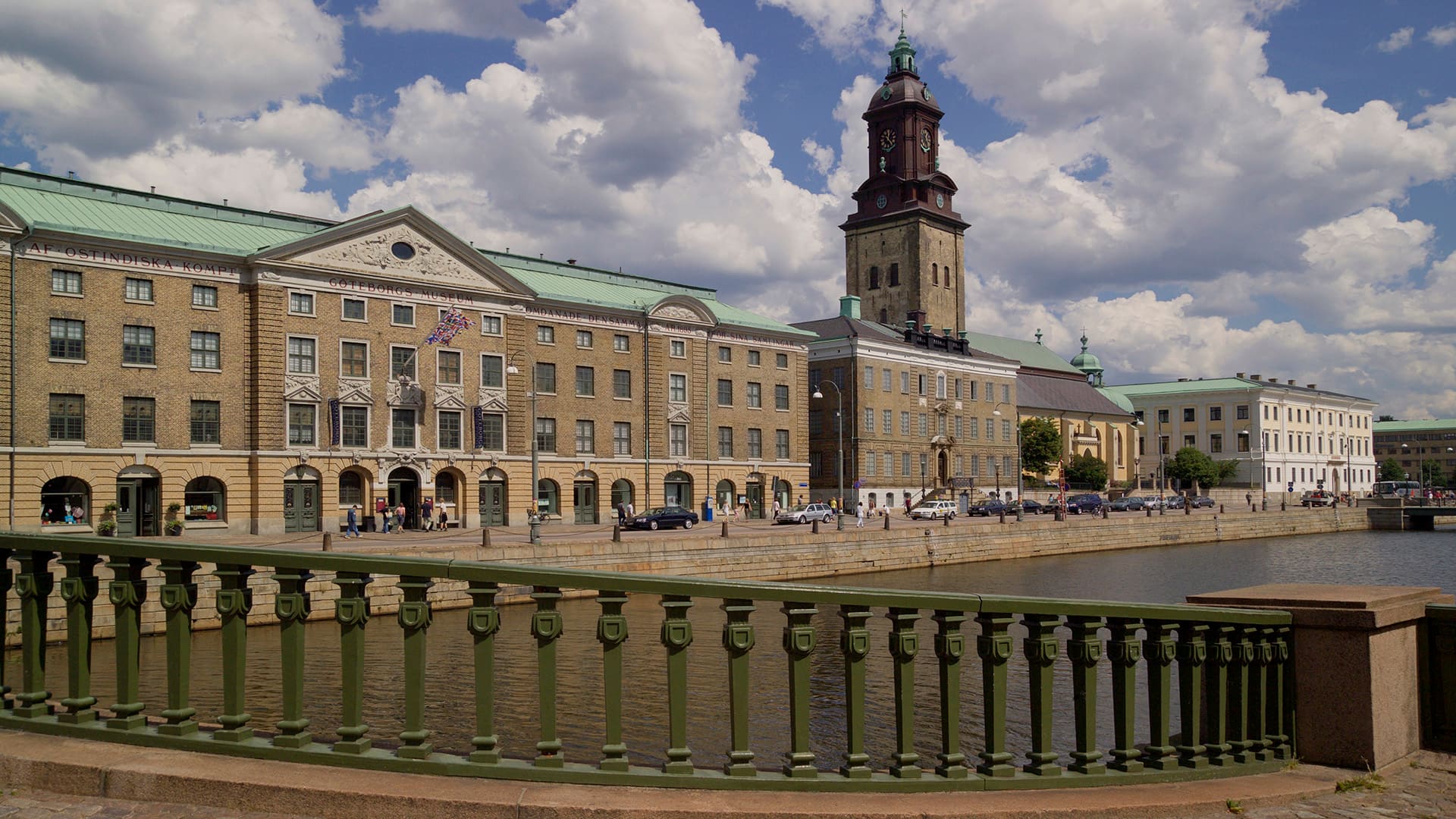
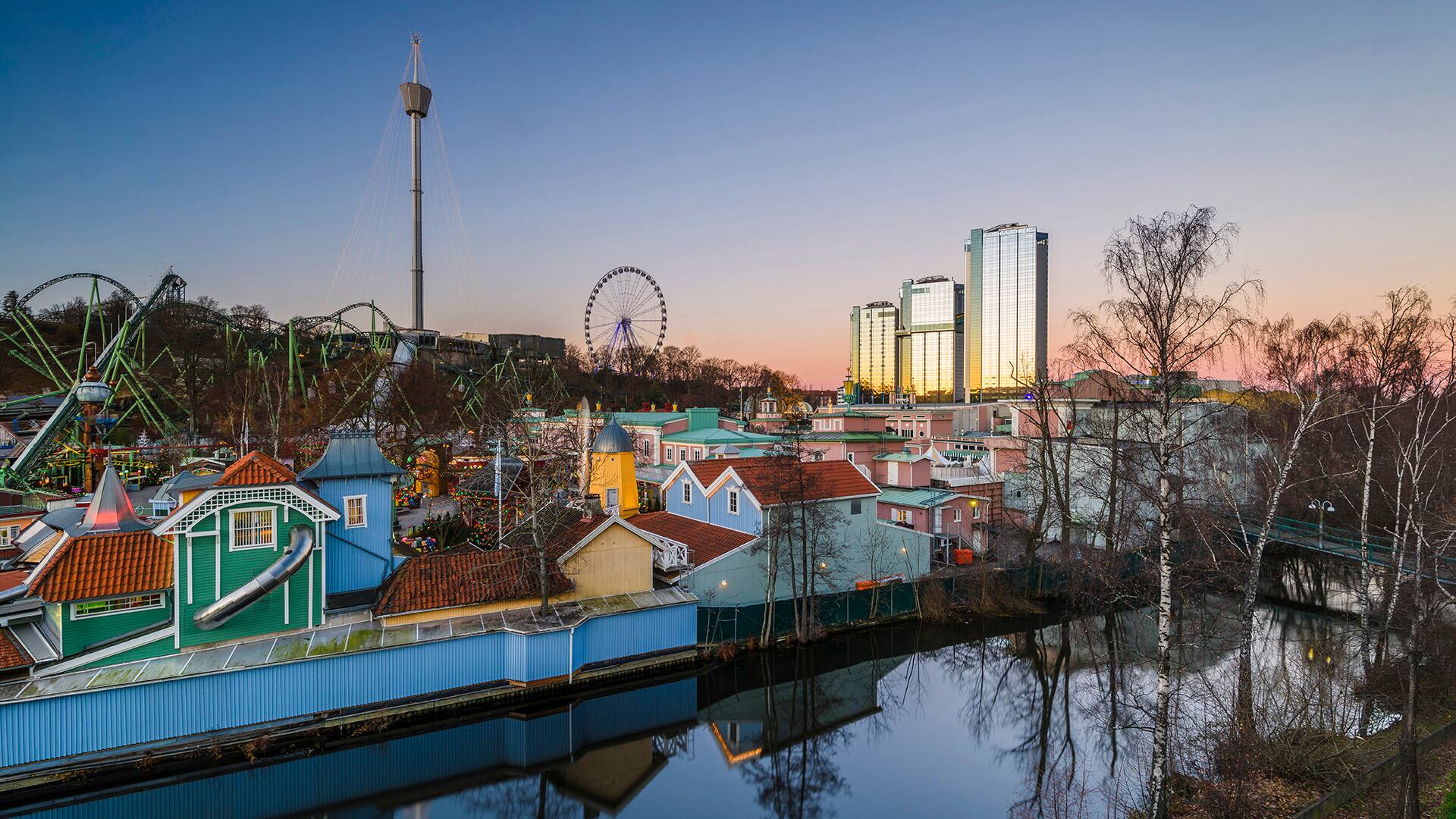
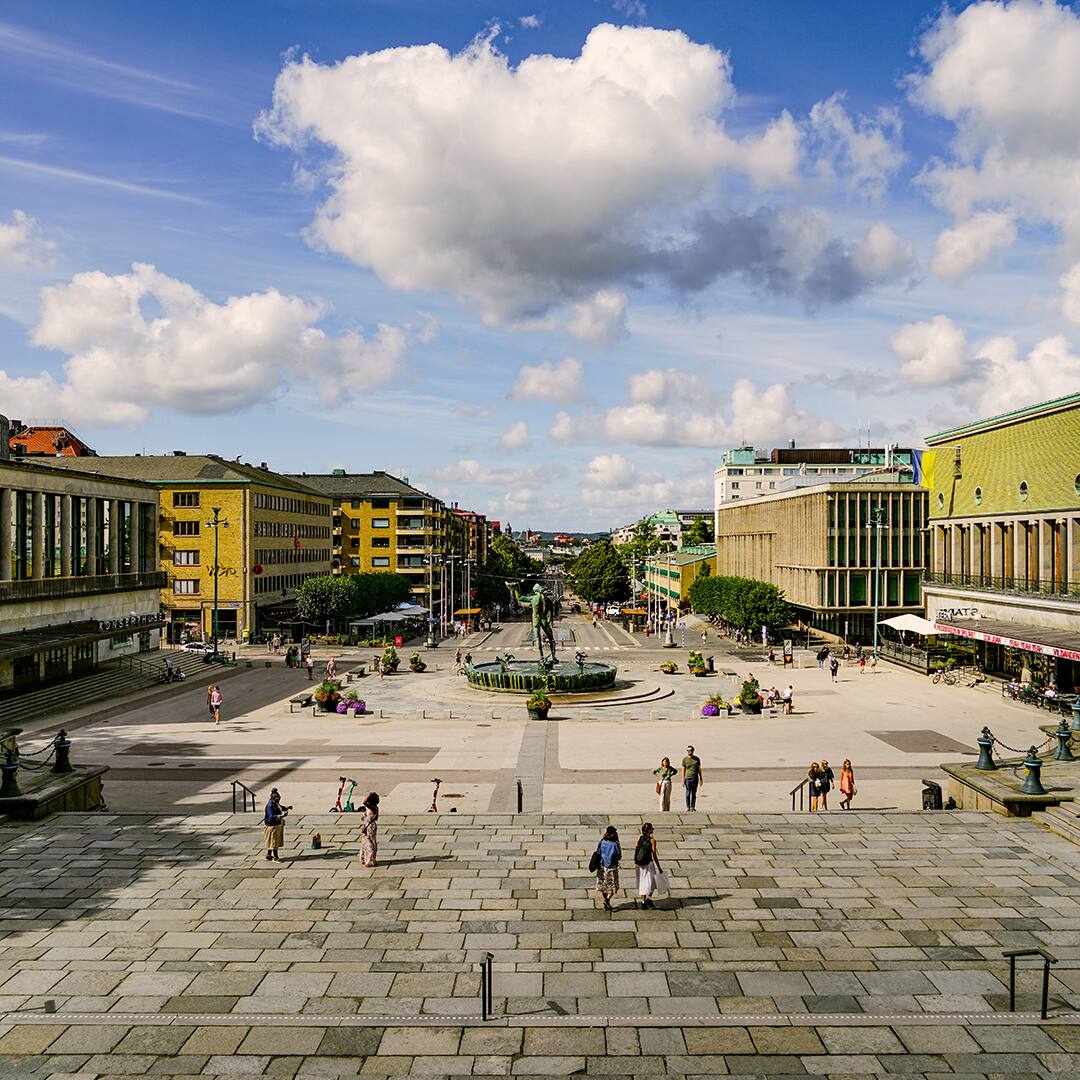
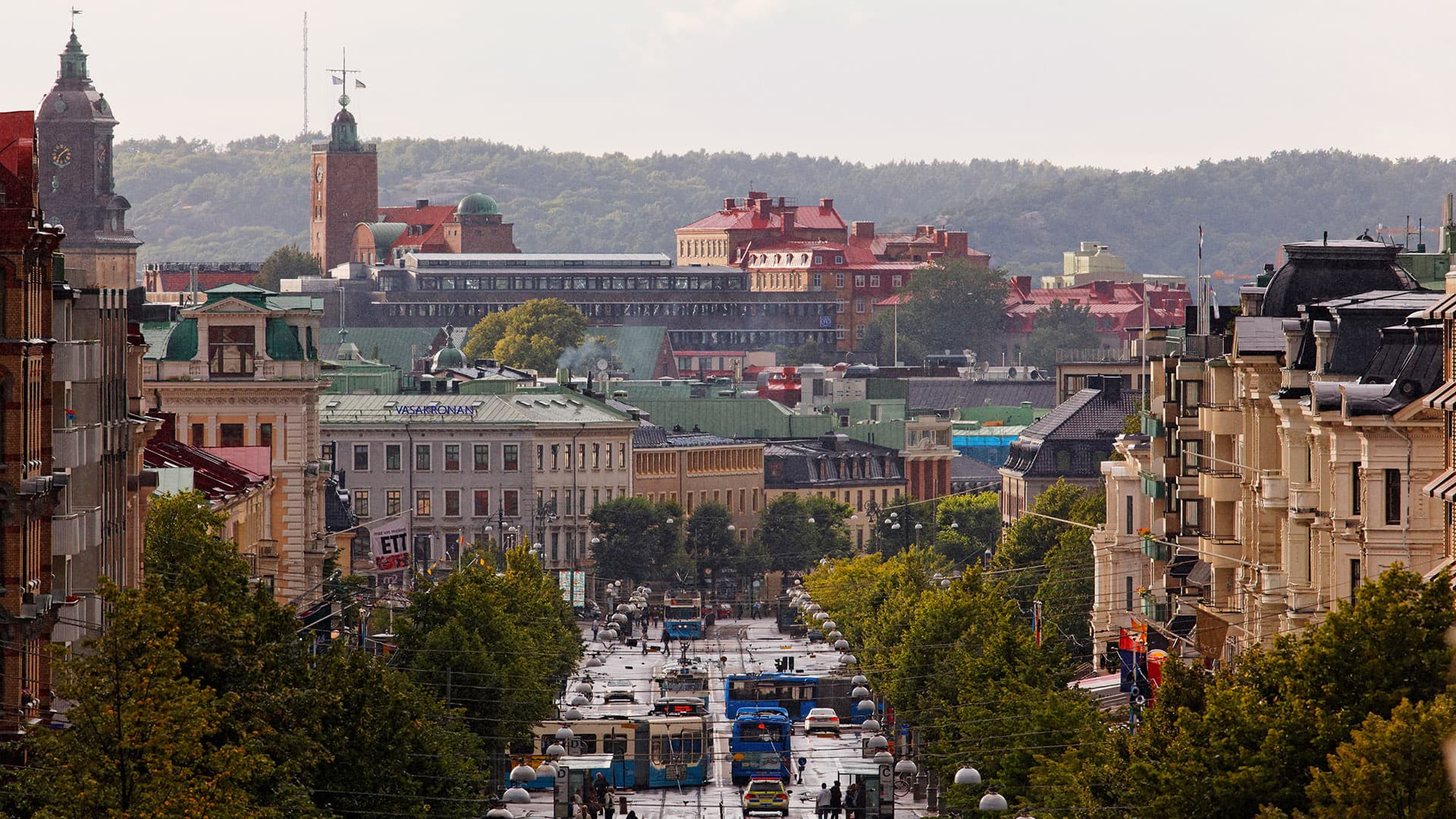
The historic Haga District, the Gothenburg City Museum, and Götaplatsen offer rich cultural heritage. You can also taste fresh shrimp sandwiches, take a scenic ferry to the Southern Archipelago, or enjoy thrilling rides at Liseberg and performances at the Gothenburg Opera House.
Both cities are worth visiting. But while Stockholm serves as the bustling national capital, Gothenburg delivers a remarkably relaxed coastal alternative. The destination balances a deep maritime history with modern touches of luxury, allowing you to easily experience well-preserved wooden properties, fresh seafood counters, and tranquil car-free islands just a scenic ferry ride away.